

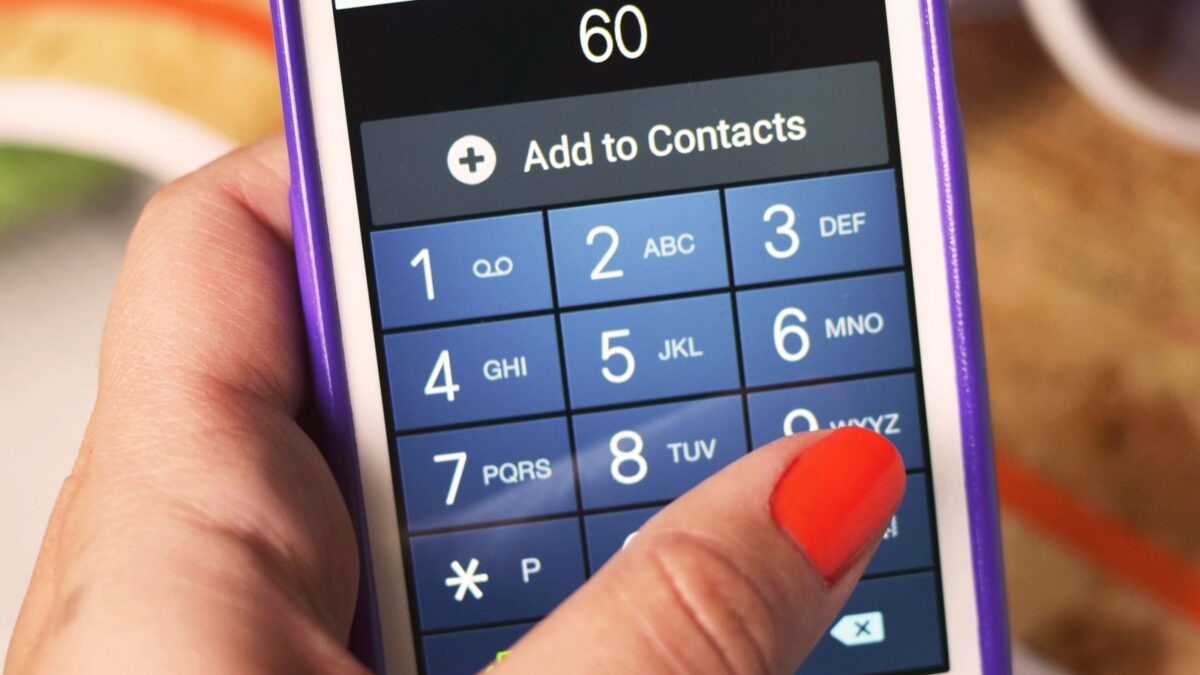
You can check your BVN by dialling *565*0# from the phone number registered to it, and each check costs ₦20. The code belongs to the *565 USSD validation service run by the Nigeria Inter-Bank Settlement System (NIBSS) with participating banks, and it sits beside three other codes that are just as useful when a transfer hasn’t landed or you want to confirm that a car’s insurance policy is valid.
The *565*0# check only answers the right phone number
NIBSS says you must dial the code from the phone number registered to your BVN. If you opened your first account years ago with a line you’ve since stopped using, dialling from your new SIM won’t bring the number up. NIBSS also says that when one phone number is linked to more than one BVN, no BVN is returned at all.
Either way, don’t keep paying ₦20 to try again from the same line. BVNs are enrolled at bank branches, so your bank is the place to ask about the phone number on your record.
One number links you to every bank account you own
The Central Bank of Nigeria (CBN) launched the Bank Verification Number with the Bankers’ Committee on 14 February 2014, describing it as a centralised biometric identification system for the banking industry. According to the CBN’s BVN page, it gives each customer a single identity in the banking system, and customers are asked to submit it to their bankers so it can be linked to all their accounts.
The CBN says the BVN was introduced to protect bank customers and to tackle identity theft. Because it’s tied to biometric data such as your fingerprints and facial image, treat it as a personal detail and share it only with a bank or service you trust and actually need to deal with.
Never enrolled? Your BVN can arrive by SMS within 24 hours
If you’ve never had a BVN, the CBN says you can walk into any bank branch with a valid form of identification, fill the BVN Enrolment Form and have your biometrics captured. You’ll get an acknowledgement slip with a transaction ID, and within 24 hours the system confirms the enrolment, generates your BVN and sends it to you by SMS.
Once you have it, there’s a second code worth knowing. Dial *565*1#, enter a BVN and send, and NIBSS confirms whether the number is correct and shows the name registered to it. It’s a quick way to make sure the BVN you copied into a form doesn’t have a wrong digit, and it also costs ₦20.
Money left your account but never arrived? *565*5# can trace it
The *565*5# code is the NIP Transaction Tracker. You give it the sender’s account number and the amount, and it tells you the status of that transfer. You can also see your last five NIP transactions. It only works from the phone number tied to the sender’s bank account, and it can only check transfers made within the last 48 hours, so use it early.
NIBSS explains each result. “No transactions found” means your bank hasn’t processed the transfer yet, so contact your bank. “Account not found” means the number you dialled from isn’t linked to that account. A failed transfer should be reversed by your bank, and if the reversal doesn’t come, contact your bank. If the tracker shows the transfer as successful but the person you paid hasn’t been credited, NIBSS says the beneficiary should contact their own bank.
The tracker won’t help if the money went through to the wrong person. That’s a different problem, and our guide on what to do after sending money to the wrong account covers it. If you’re the one being paid, remember that a transfer screenshot isn’t money until it shows in your balance.
Before you buy a used car, let *565*11# check its insurance

The fourth code, *565*11#, checks whether a vehicle has an insurance policy and whether it’s still valid. You enter the vehicle registration number, and if a policy exists you’ll see the date it’s valid until. If the reply says the registration number wasn’t found, NIBSS lists three possible reasons: the number is invalid, the vehicle has never had valid insurance, or its cover expired more than a year ago.
Every one of these four checks costs ₦20, and two of them depend on dialling from the phone number your bank has on record. If that number belongs to an old SIM you no longer carry, sorting it out with your bank now will save you stress the next time a transfer goes quiet or you need your BVN in a hurry.








Join the conversation