

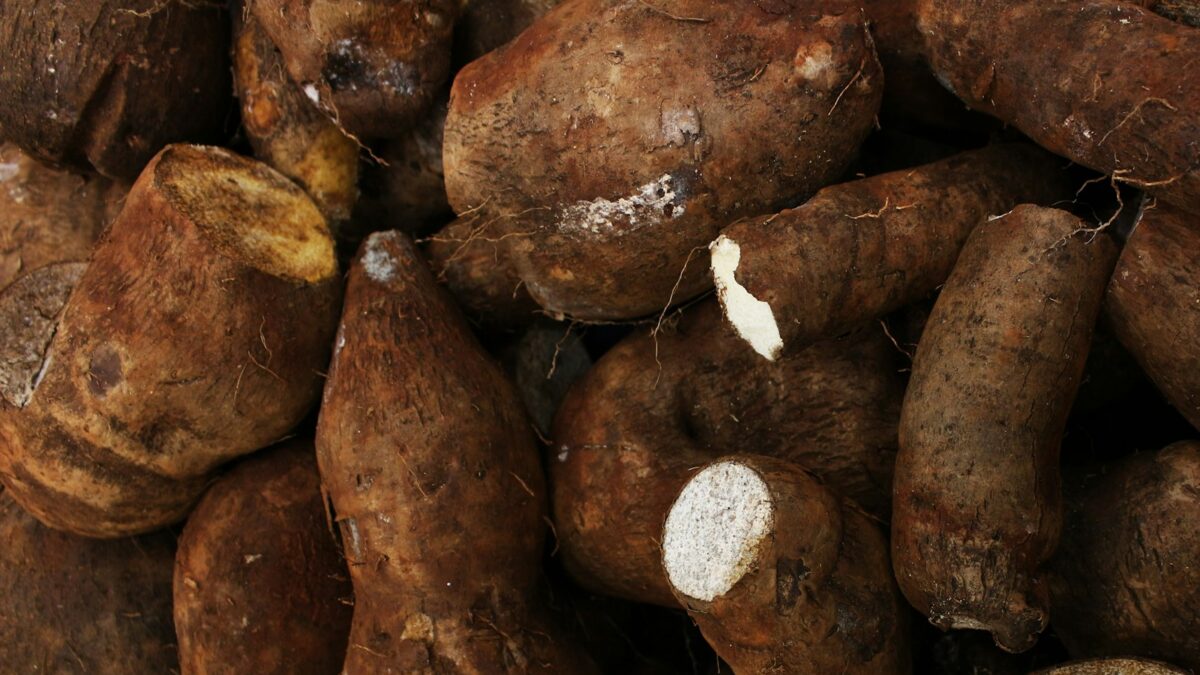
Harvest thanksgiving season is under way in many Nigerian churches, and from now until late November a lot of Sunday services will run long, church compounds will fill with tubers of yam, crates of drinks and bags of rice, and someone’s goat will probably make its way to the front. Anglican, Catholic, Methodist, Baptist and some Pentecostal congregations hold an annual harvest, and for plenty of members it’s the most colourful Sunday on the church calendar after Christmas and Easter.
Dates vary from parish to parish, and some churches hold theirs at other times of the year, but the stretch between September and November is busy because it follows the main farming harvest in much of the country. If you’ve recently joined a church, moved to a new city or simply never paid much attention before, this is how the day usually unfolds and why it means so much to the people organising it.
The tradition is older than any church building in Nigeria
The idea of thanking God with the first and best of what you’ve gathered goes back to the Bible. In Exodus 23:16 and Deuteronomy 16:13 to 15, Israel is told to keep a feast of ingathering at the end of the farming year and to rejoice before God for the harvest. Churches in Nigeria picked up the practice through the missions, and it fitted easily into a country where many communities already marked the end of harvest with their own festivals, the new yam celebrations in many parts of the South being the best known.
Most members today don’t farm, so the offerings have changed with the times. Alongside yams, plantain, palm oil and livestock, you’ll now see cartons of noodles, bags of rice, cases of soft drinks, household appliances and envelopes of money. The spirit is the same, because people are giving thanks for whatever their own work produced during the year.
Every group gets its moment to dance to the altar
The thanksgiving service itself often looks like a procession. Families, the women’s fellowship, the men’s group, the youth, the choir and sometimes the Sunday school children take turns dancing to the front with their offerings while the band plays. Many groups wear matching outfits or fabric for the day, which is why harvest adds yet another aso-ebi to an already crowded season, something this piece on how aso-ebi costs pile up for guests covers well.
After the service, many churches serve food, and the harvest often doubles as a homecoming, with members who’ve moved away travelling back for the weekend. In villages and small towns the day can feel like a community festival, while in city churches it may be more structured, with a printed programme, special guests and a fundraising target for a project such as a new roof, a school block or a church bus.
The auction is where the fun and the fundraising meet
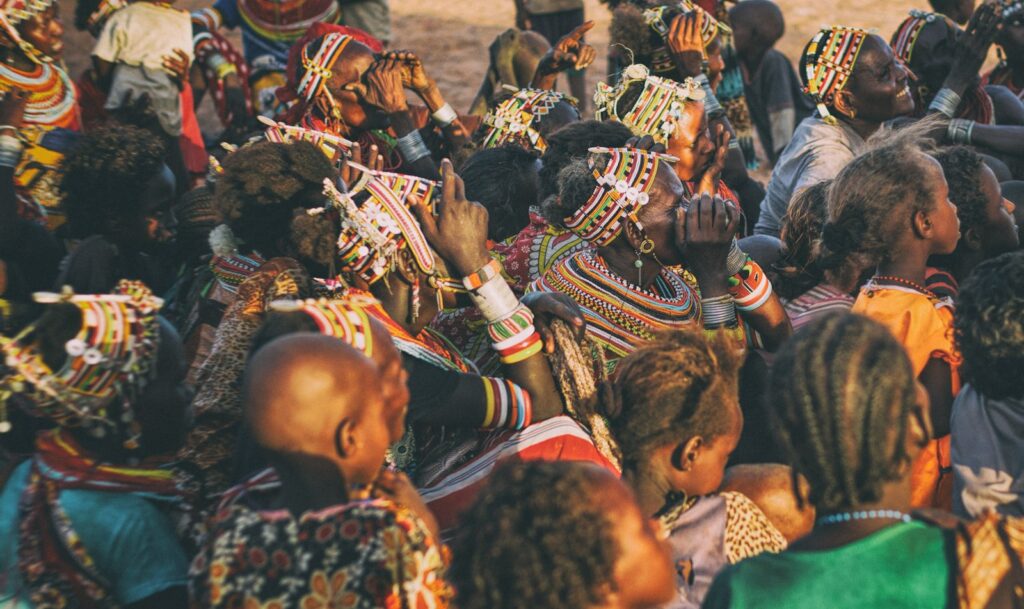
Once the service ends, the produce and goods brought to the altar are usually sold off in a bazaar or a live auction, and this is where things get lively. An MC holds up a tuber of yam or a basket of fruit and the bidding starts, and it’s not unusual for an item worth a few thousand naira in the market to go for far more, because the buyer knows the money is going to the church. Friendly rivalries between families or groups can push prices up even further, and the whole hall cheers each time someone tops the last bid.
Some churches also hold a bazaar where members sell food, clothes and other goods, and a share of the proceeds goes to the church. The money raised at harvest is often a big part of a parish’s budget for the year, so the committee planning it takes it seriously, even when the mood in the hall feels like a party.
Give with joy, but walk in with a budget
Harvest giving is meant to come from gratitude, not pressure. The passage many churches quote during harvest, 2 Corinthians 9:7, talks about giving as you have decided in your heart, not reluctantly or under compulsion. Decide before Sunday what you’ll give and how much you’re willing to spend at the auction, and carry that amount in an envelope or keep it ready on your phone, because it’s easy to get carried away when the MC is calling out your family’s name and the band is playing.
If you plan to celebrate by spraying money as groups dance out, check what your church allows first, and keep in mind that spraying naira notes is treated as abuse of the currency under the Central Bank of Nigeria Act 2007. Many churches prefer that people drop their gifts in a basket or bowl instead, which keeps the notes clean and the counting simple.

Harvest also lands right in the middle of the ember months, with family introduction ceremonies, weddings, end-of-year parties and travel plans all competing for the same money. Go, dance with your group, bid on that yam if your budget allows, and enjoy one of the few Sundays when the whole church seems to show up at once.






Join the conversation