

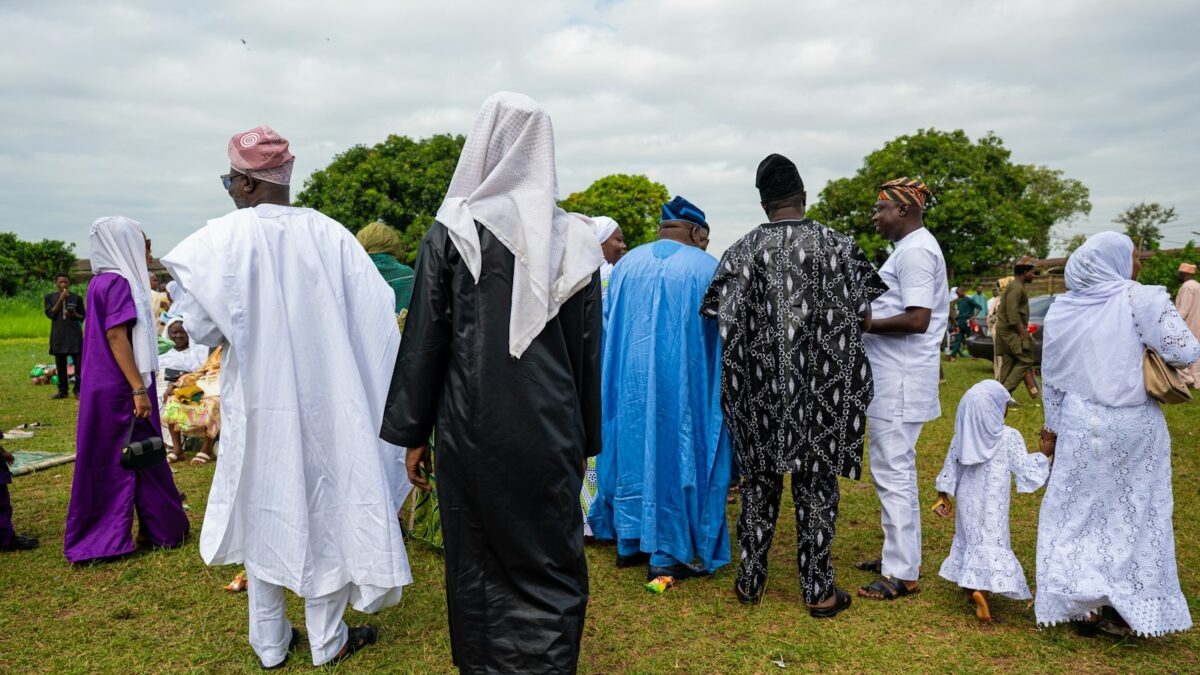
An introduction ceremony is the first formal meeting between a bride’s family and a groom’s family in most Nigerian cultures, and it usually happens weeks or months before the traditional engagement. With the ember months packed with weddings, plenty of couples are planning theirs right now, and a lot of them are quietly wondering what exactly is expected of them on the day.
It goes by different names depending on where your families come from. Many Yoruba families simply call it the introduction, Igbo families know the first visit as iku aka, which means knocking on the door, and communities across the Niger Delta, the Middle Belt and the North have their own versions. The details change from family to family, but the purpose stays the same, because two families are agreeing to know each other properly before anyone starts talking about bride price or wedding dates.
Nobody is getting married yet, so why does everyone dress up?
The introduction is about intention. The groom’s people come to say, in front of witnesses, that their son wants to marry this woman, and the bride’s people get to see who he is, who his family are and where they come from. In many homes the bride is asked directly whether she knows the man and welcomes the visit, which matters a great deal, since the whole process rests on her saying yes.
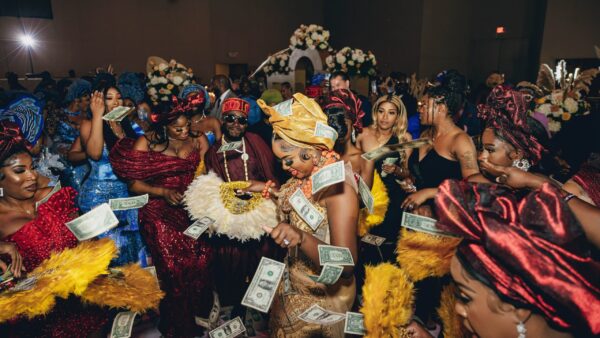
It’s usually much smaller than the engagement. Think parents, siblings, a few uncles and aunties and perhaps a family friend who speaks well, rather than the hundreds of guests you’ll see at the traditional wedding. Some families hold it in the living room of the bride’s family house, while others rent a small hall or a quiet restaurant space when the families are large or live in different cities.
Who speaks for the groom matters more than what he wears
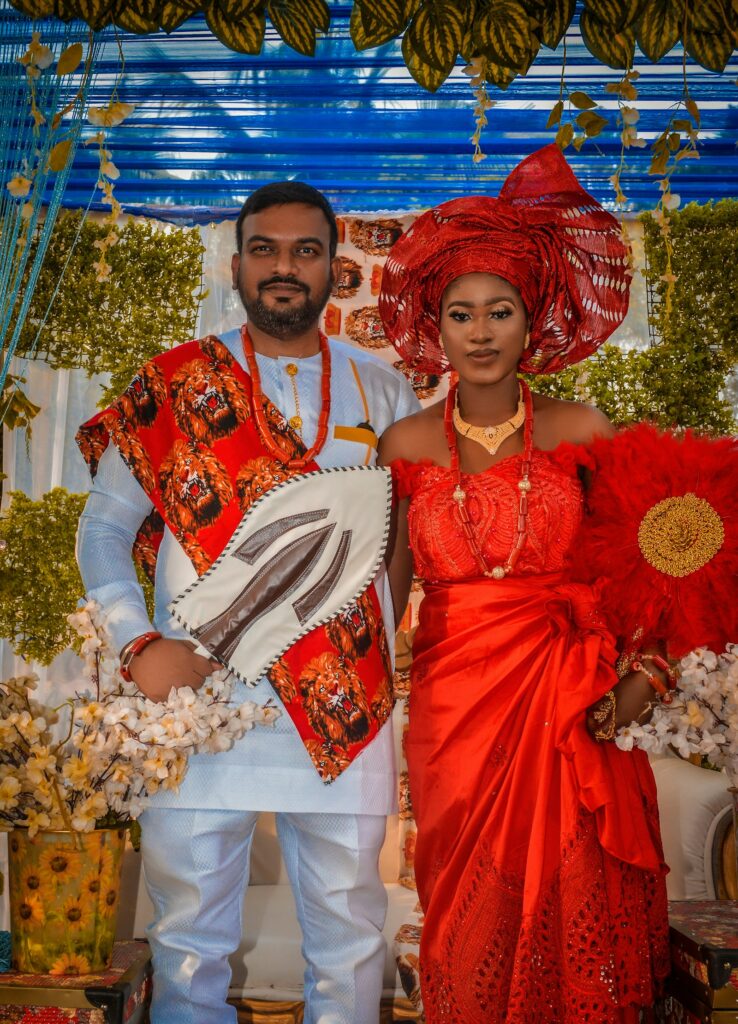
The groom rarely does the talking himself. His father, an uncle or an elder from his extended family usually leads the delegation, and at many Yoruba introductions an MC known as the alaga coordinates the programme, especially in Lagos and other big cities. Picking the right spokesperson is a real decision, because this is the person who’ll greet the elders properly, explain why the family has come and handle any light teasing from the other side with good humour.
Among the Igbo, the iku aka visit is typically led by the groom’s father or a senior relative, and the bride’s family welcomes the visitors with kola nut, which an elder blesses and breaks before the main conversation begins. Many families also bring drinks, though what the groom’s side carries depends on the town and on whatever the bride’s family has asked for.
What to carry when you visit for the introduction
There’s no single national list, so always ask the bride’s family what they expect instead of guessing. At Yoruba introductions it’s common for the groom’s side to bring items such as fruits, drinks, kola nut and bitter kola, and some families ask for more, like tubers of yam, fabric, or a Bible or Quran for the bride. Other cultures keep this first visit simpler and save the bigger items for the engagement or the bride price ceremony.
Gifts often flow both ways. The bride’s family may prepare food, drinks and small return gifts for their visitors, and both sides usually plan refreshments for everyone in the room. If the couple are paying for part of it, agree early on who covers what, because one honest conversation now saves a lot of awkwardness later. This piece on talking about money before getting engaged is worth reading together before the planning starts.
The list for the engagement often shows up at the introduction
In many families, the introduction is where the bride’s people hand over the list of items they want for the engagement or traditional marriage, or at least agree on when they’ll share it. The date of the next ceremony may come up too, along with roughly how many people each side plans to bring. Don’t be surprised if nothing is settled on the day, since some families prefer to consult elders who weren’t present before they confirm anything.
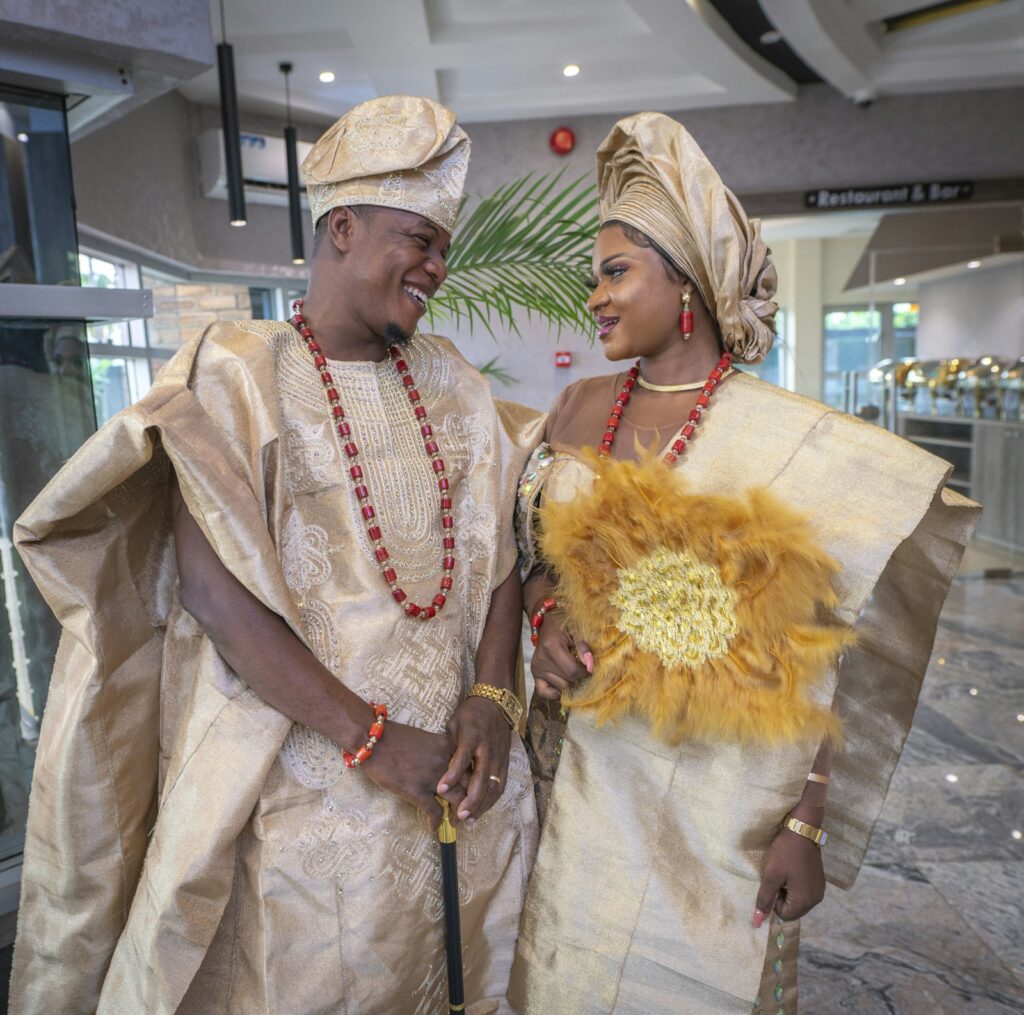
Once both families are happy, everything else starts moving quickly. That’s usually when colours get picked and price lists begin landing in WhatsApp groups, and this look at how aso-ebi season adds up for wedding guests explains what that means for the friends you’ll invite. For a wider view of how the big day itself differs between cultures, these Yoruba, Igbo and Hausa wedding traditions are a good place to start.
Small gestures that win over the other family on the day
Arrive on time, or as close to it as traffic allows, and let the bride’s family know if you’re running late. Greet the elders the way that family expects, whether that’s prostrating, kneeling, bowing or a handshake, and if you’re unsure, ask your partner beforehand rather than guessing in the moment. Wear neat traditional attire if you can, and keep phones away during the prayers and the formal talks.
If the two families come from different cultures, talk about it openly before the day. An Urhobo groom visiting a Yoruba family, or an Igbo family hosting an Isoko delegation, will each have customs the other side may not know, and a quick call between the two spokespeople can stop an innocent mistake from becoming a story people repeat for years. Customs also differ between towns within the same group, so the elders of the bride’s family are always the best guide.
Treat the introduction as the start of a relationship between two families rather than an exam you could fail. Ask questions, follow the lead of the elders on both sides, and the engagement that comes after it will feel far less like stepping into the unknown.



Join the conversation