
October is breast cancer awareness month, and in Nigeria the numbers behind the pink ribbon are serious. The International Agency for Research on Cancer’s 2024 estimates for Nigeria put breast cancer at 44,196 new cases in a single year, about 29% of all new cancers in the country, and 21,309 deaths, more than any other cancer.
Those figures can feel distant until it’s your mum, your aunty or the woman who sits next to you in choir. So instead of just changing your profile picture this month, use it to learn what a worrying change looks like, how to check yourself at home and why seeing a health worker early matters.
It’s the cancer Nigerian women face most, and family history isn’t the whole story
Among Nigerian women, breast cancer makes up about half of all new cancer cases, according to the same IARC estimates. The World Health Organization says being female is the strongest risk factor, and that risk rises with older age.
A lot of people relax because nobody in their family has had it. WHO points out that most women diagnosed with breast cancer have no known family history, which means “it doesn’t run in my family” is not a reason to skip checking. Men can get it too, although it’s rare, with WHO putting men at about 0.5 to 1% of cases. If your father, brother or husband notices a lump in his chest, he should take it to a doctor just as seriously.
Other risk factors WHO lists include obesity, harmful alcohol use, tobacco use, past radiation exposure, reproductive history and hormone therapy after menopause. You can’t change your age or your genes, but weight, drinking and smoking are things you have some say over, and this guide to foods to cut back on after 40 without giving up Nigerian food is a practical place to start.
The changes your body might be trying to show you
WHO lists the signs to look out for as a lump or thickening in the breast, often without any pain, a change in the size, shape or appearance of the breast, skin changes such as dimpling, redness or pitting, changes to the nipple or the skin around it, and abnormal or bloody fluid coming from the nipple. A wound on the breast that doesn’t heal should also be checked by a health worker.
Please don’t panic if you find a lump, because WHO says most breast lumps are not cancer. What you shouldn’t do is wait for it to start hurting before you act. WHO advises that anyone with an abnormal breast lump should seek medical care even if it doesn’t hurt, since cancerous lumps are easier to treat when they’re small and haven’t spread to nearby lymph nodes.
Once a month, in front of your own mirror
A breast self-examination costs nothing, and WHO’s Global Breast Cancer Initiative notes that most breast cancers are self-detected. The point isn’t to diagnose yourself, it’s to know what’s normal for your body so you notice when something changes. Pick a set time every month. If you still see your period, do it a few days after your period ends, when breast tissue is less tender. If you’ve gone through menopause, choose a fixed date you’ll remember, like the first day of every month.
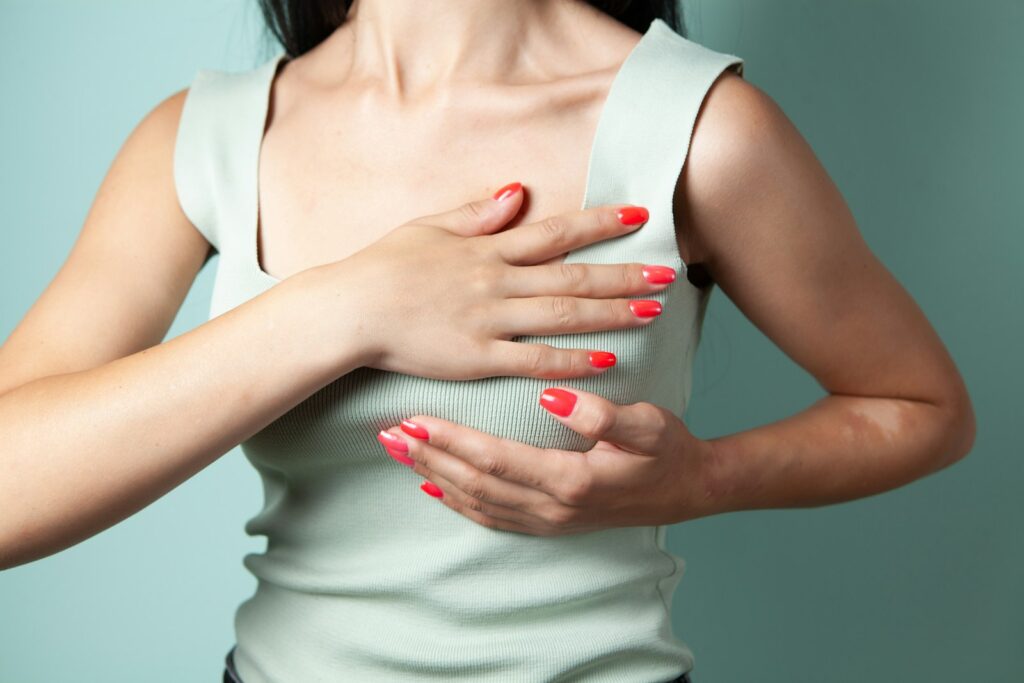
The check involves both looking and feeling. Look for changes in the size, shape or symmetry of your breasts, and for skin changes such as a change in colour, dimpling, puckering, redness or a rash. Feel for lumps, hard knots or firm thickening in the breast and in the underarm area, and check your nipples for unexpected discharge or a nipple turning inwards.
If you find anything unusual or concerning, see a health worker. Don’t spend weeks pressing it every day to see whether it’ll go away on its own.
Why a proper examination still matters
A self-check is a start, not a replacement for seeing a doctor. WHO says early diagnosis depends on being aware of the signs and symptoms and getting timely clinical evaluation when something is abnormal. It also notes that mammography screening is typically offered to women aged about 50 to 69, to find changes before any symptoms appear, so if you’re in that age range, ask your doctor about it even if you feel completely fine.

If you come across a free screening this month, make sure it’s run by qualified health workers. Anyone who finds something unusual should refer you to a hospital, not sell you a cream or a bottle of herbs on the spot.
Early care saves lives, and some myths need to go
Prayer and family support matter a great deal, but they work best alongside proper medical care, not in place of it. WHO is clear that deaths from breast cancer fall when cases are detected and treated early.
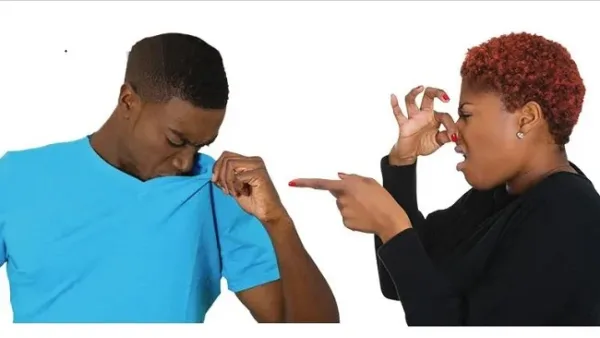
A couple of myths are worth clearing up as well. According to the United States National Cancer Institute, the best studies so far have found no evidence linking antiperspirants or deodorants to breast cancer, and cancer isn’t a contagious disease that spreads from person to person. So there’s no reason to keep your distance from a friend going through treatment. If anything, she needs you to show up.
Since obesity is one of the risk factors WHO lists, staying active is worth the effort, and these ideas on staying fit in your 30s without stress are an easy place to begin.
Before October runs out, do your own check, then send this to the women you love and ask them to do theirs. If you notice anything unusual, see a doctor rather than relying on anything you read online, this article included.




Join the conversation