

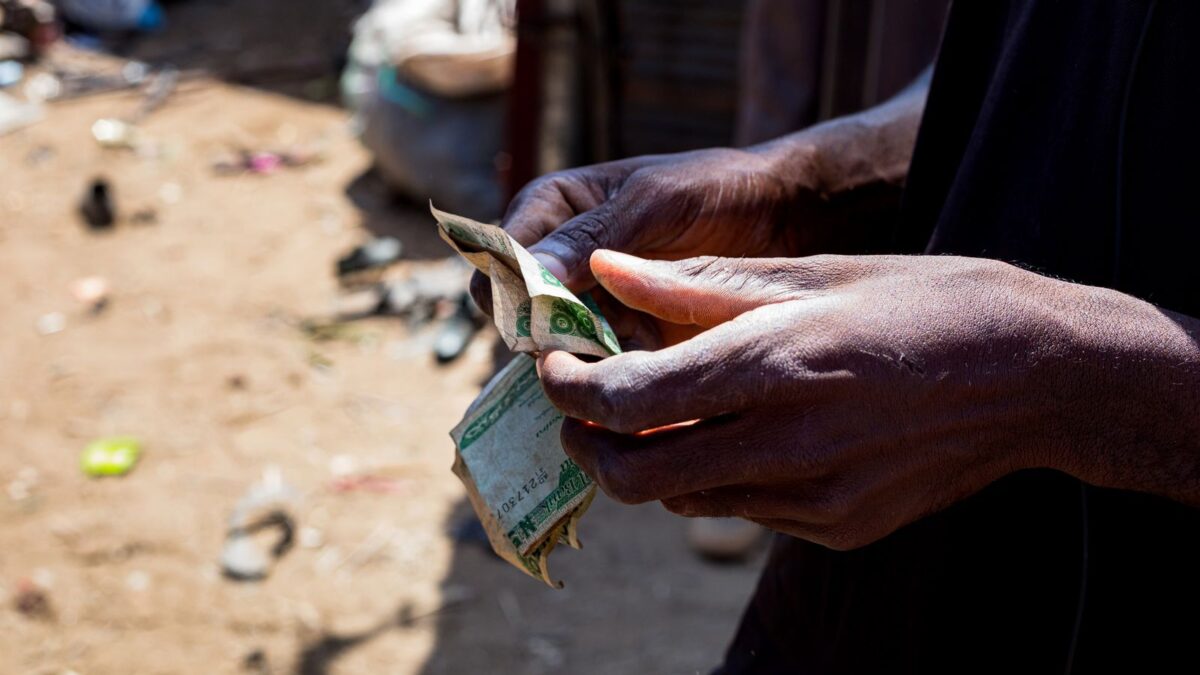
For a lot of Nigerians, the plan for December rests on one payout from an ajo contribution or esusu group. Traders, civil servants, church members and colleagues in the same office put in a fixed amount every day, week or month, and many arrange things so the money lands in time for Christmas travel, January school fees or the rent that always seems to fall due once the festivities are over.
The practice is older than any bank in the country and goes by different names depending on where you are. Yoruba speakers say ajo or esusu, Hausa speakers call it adashe or adashi, many Igbo communities say isusu, and in Edo it’s osusu. The idea is the same everywhere, and so are the two things that make it work, which are discipline and trust.
Two kinds of contribution, and the difference matters
The first is the rotating group. Say ten colleagues each put in ₦20,000 at the end of every month, and each month one person takes home the full ₦200,000 until all ten have collected. Nobody earns interest and nobody pays any, so the person who collects first has effectively received an interest-free loan from the others, while the person who collects last has simply saved for ten months with friends watching over the money.
The second is the daily collector, known in Yoruba as the alajo. Traders give the collector a fixed sum every day, and at the end of the cycle, usually a month, the collector hands back the total. The fee is commonly one day’s contribution, so if you pay ₦1,000 a day for 31 days, you’d get ₦30,000 back. That cost buys you a safe place for cash you’d otherwise spend, plus someone who comes to your shop every morning to make sure you don’t skip a day.

Why so many people still trust the group over a bank app
Ajo works because it isn’t easy to back out. When ten people are counting on your ₦20,000, you find the money even in a tight month, which is a kind of pressure a savings app on your phone can’t apply. It also suits people whose income comes in small daily amounts, like the woman selling plantain by the roadside or the okada rider who settles his own bills every evening, because they can save in the same rhythm that they earn.
There’s a social side too. Contribution groups often double as support networks, where members check on each other and sometimes agree to move someone up the list when a family emergency comes. For many people, getting a lump sum without filling a loan form, providing collateral or paying interest is still the most practical way to buy stock, pay a deposit on a shop or cover the bills that pile up in the ember months.

Where contribution groups go wrong
Nearly every market has a story about an alajo who disappeared with a month’s collections, and every office has one about a colleague who collected early, then resigned or simply stopped paying. Arguments over who collects when can also break friendships, especially when someone feels the order was fixed to favour the organiser’s close friends. None of these problems comes from the system itself. They come from groups that were set up loosely, with nothing written down and members who barely knew each other.
The bigger danger is a scheme that borrows the name without following the rules. A real ajo only gives back what members put in. If a group promises you more than you contributed, say ₦150,000 back on ₦100,000 within a few weeks, that isn’t ajo. Somebody has to pay for that extra money, and in schemes like that it’s usually the people who join last.
Simple rules that keep your contribution safe
Join groups where you know every member, or at least know someone who knows them well, and make sure the list, the amounts, the payout order and the dates are written down and shared with everybody, even if that’s just a pinned message in the group chat. Paying by transfer instead of cash leaves a record for everyone, but confirm that money has actually landed rather than accepting a screenshot, because a transfer screenshot isn’t money until it shows in the balance.
Give the early payout slots to members with a long record in the group, and let newcomers collect later until they’ve proven themselves. If you use a daily collector, know where they live or work and who can vouch for them. If you’d rather save through an app, check that the company behind it is a licensed financial institution, which you can confirm on the Central Bank of Nigeria website, and don’t hand your savings to anyone who only exists as a WhatsApp number.
If your payout lands in December, decide before it arrives what it’s for, whether that’s the trip home, the January rent or your aso-ebi bills for the wedding season, and set something aside so you aren’t tempted by a loan app when the new year starts. A contribution group can be one of the most reliable ways to save in Nigeria, as long as you treat the trust inside it with the same care you’d give the money.













Join the conversation