

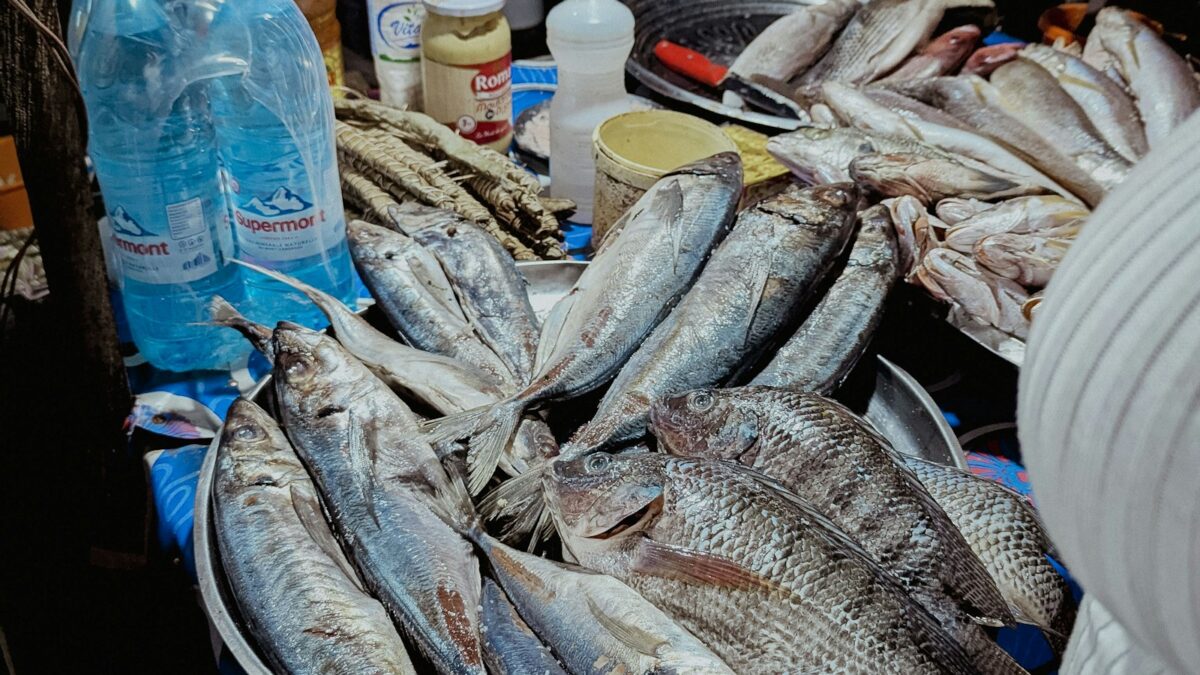
Clear, shiny eyes, bright red gills, firm flesh and a mild smell of the sea are the four signs food safety experts point to when you’re trying to work out how to know fresh fish, and you can check every one of them in less than a minute at the market stall. The US Food and Drug Administration also warns that colour alone doesn’t tell you much, so a fish that looks bright and glossy in the sun can still be past its best.
That matters in Nigeria, where so much of the fish we cook passes through open markets, roadside sellers and cold rooms before it gets to the pot. Croaker, tilapia, catfish, mackerel (the one most of us call titus) and kote all show their age in roughly the same places, and once you know where to look, buying fish for your pepper soup or stew stops feeling like guesswork.
The eyes and gills give away an old fish faster than anything else
Look the fish in the eye first. Fresh fish has eyes that are clear, shiny and slightly bulging, while older fish usually has cloudy, grey or sunken eyes. Then lift the gill cover just behind the head, or ask the seller to do it for you. The gills of a fresh fish are bright red or pink and moist, and they shouldn’t smell. Brown, grey or slimy gills are a sign the fish has been sitting out for too long.

Most sellers won’t mind you checking, especially if you’re buying more than one or two pieces, and a good fishmonger will often point these things out to you before you ask. If you’re buying for a big family event or a December party, it’s worth taking the extra minute on every fish, because one bad one can spoil a whole pot.
Press it, smell it, and watch how it’s being kept
Press the body gently with your finger. Fresh flesh is firm and springs back, while flesh that stays dented or feels soft and mushy has started to break down. The skin should look moist and shiny with scales that hold on well, and if you’re buying fillets or cut pieces, avoid any that are dark, dry or discoloured at the edges. The FDA says fresh fish should smell mild and fresh, not fishy, sour or like ammonia, and that sharp, unpleasant smell is hard to miss once you’ve noticed it.
How the fish is displayed matters as much as the fish itself. Buy from sellers who keep their fish on plenty of ice or in a working freezer, and be careful with fish lying in the open under the afternoon sun with flies settling on it. For catfish, many buyers prefer to pick a live one from the seller’s basin and have it killed and cleaned on the spot, which takes the guesswork out of freshness completely.
Frozen fish from the cold room needs a different check
A lot of the titus, kote and other frozen fish sold in Nigeria comes through cold rooms, and frozen fish can be just as good as fresh when it has been kept properly. It should be frozen solid and hard to bend. The FDA advises avoiding packages that are open, torn or crushed, and fish covered in frost or ice crystals, since that can mean it has been stored for a long time or has thawed and been refrozen.
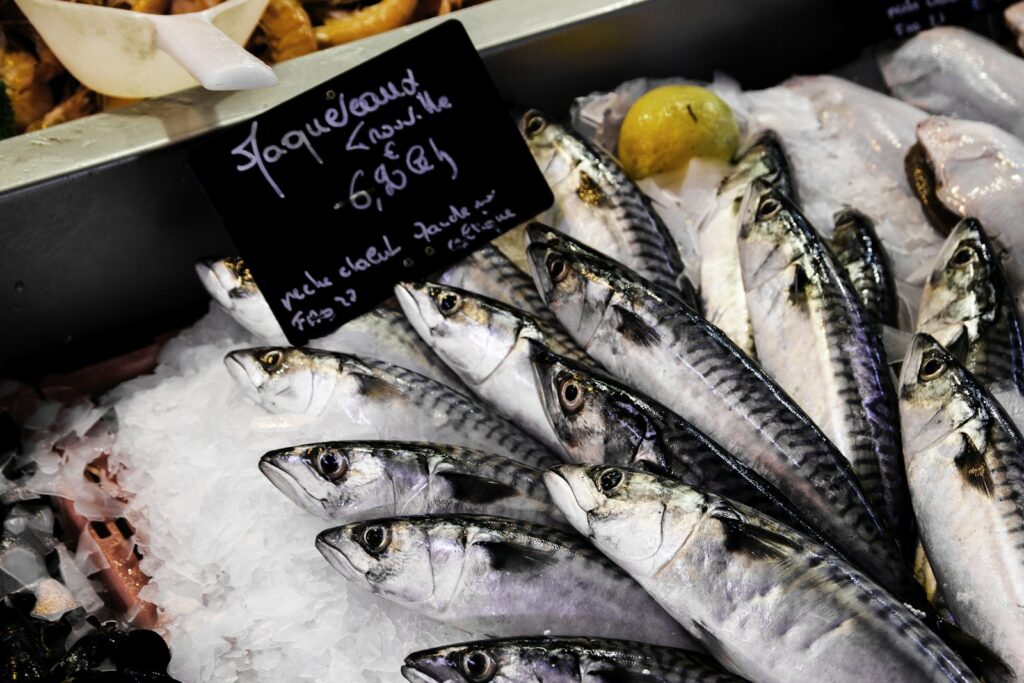
With power cuts so common, refreezing is a real concern, so it helps to buy from a cold room or shop you know runs a generator or keeps its freezers steady. Fish that’s soft, wet and bending in your hand while it’s still on the seller’s table has already started to thaw. In 2021 the National Agency for Food and Drug Administration and Control also warned about traders using formalin to preserve meat and fish, which is another reason to stick with sellers you trust and to report anything suspicious to NAFDAC.
What you do at home decides how safe it is to eat
Clean the fish and get it into the fridge or freezer as soon as you get home. The FDA recommends keeping fish in the fridge at about 4°C or below if you’ll cook it within two days, and otherwise wrapping it tightly in plastic, foil or freezer bags and freezing it. Portion it before freezing so you only take out what you need for one pot, and keep the freezer door shut during outages. These tips on freezing food when the light is unpredictable work just as well for fish as they do for stew base.
Thaw frozen fish in the fridge overnight, or seal it in a bag and put it in cold water if you need it sooner, rather than leaving it on the kitchen counter all afternoon. Cook it until the flesh turns opaque and flakes easily with a fork, which is about 63°C inside if you have a thermometer. If cooked or raw fish smells sour or like ammonia, throw it away instead of trying to save it with extra pepper and seasoning.
Fish is one of the easier proteins to fit into a healthy Nigerian diet, as this list of foods to cut back on after 40 without giving up Nigerian food shows, so it’s worth buying it well. Take your time at the stall, check the eyes, gills, flesh and smell every time, and if you ever feel unwell with vomiting, diarrhoea or stomach cramps after eating fish, see a doctor, especially if the symptoms are severe or last more than a day.













Join the conversation