

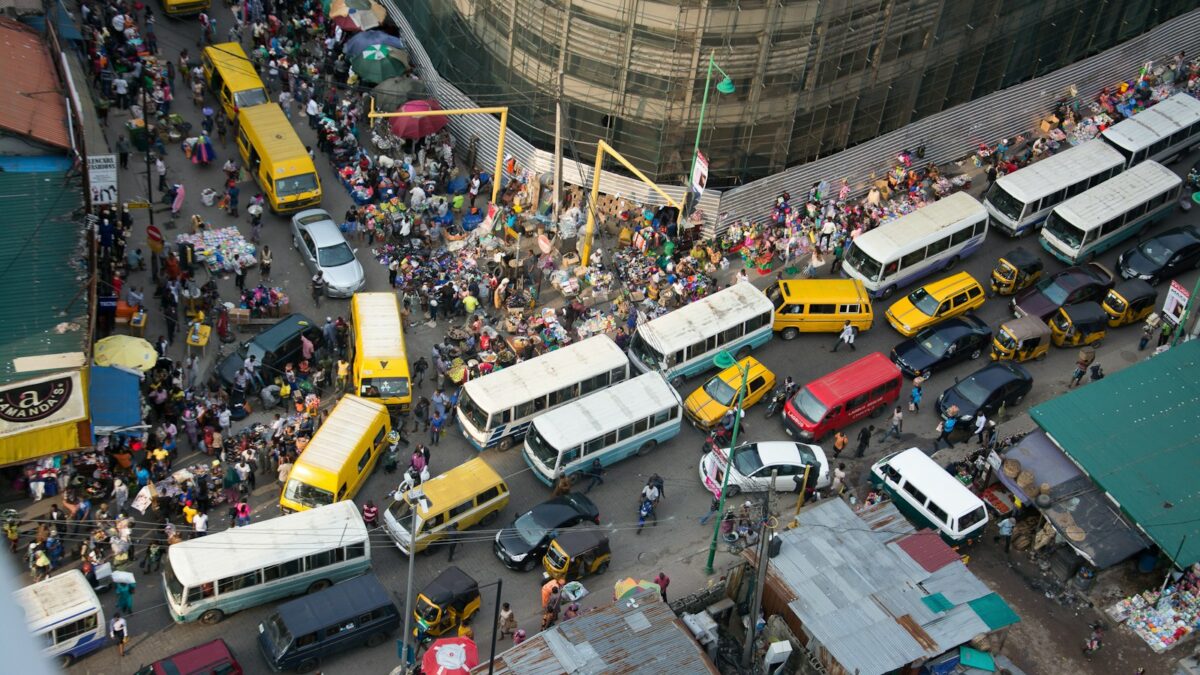
The ember months, the stretch from September to December that Nigerians name after the “ber” at the end of each month, are now well underway, and you can feel them everywhere from the motor park to the market. Independence Day has come and gone, wedding invitations are stacking up, harmattan is on its way and the countdown to Christmas has quietly started in most homes.
Few places give the last four months of the year their own name and mood the way we do, and the phrase carries real weight here. Some people say it with excitement because it means bonuses, homecomings and owambe. Others say it with a little caution, because the season has a reputation for crowded roads, rising prices and people who are desperate to make money before the year ends.
The name is simple, but the season carries a lot of feeling
There’s nothing official about the term. It comes from the shared ending of September, October, November and December, and it has become part of everyday Nigerian English, turning up in sermons, radio jingles, market talk and road safety campaigns alike. Many churches hold special ember months prayer sessions, businesses plan their biggest sales of the year around it, and families start working out who is travelling home for Christmas and who is hosting.
A lot of the caution people feel comes from experience. More people travel, more goods move across the country and more money changes hands, so the things that can go wrong simply get more chances to happen. That’s the practical side of a season many people also describe in spiritual terms, and you don’t have to drop your beliefs to take the practical side seriously.
FRSC says the roads get busier, not cursed
The Federal Road Safety Corps runs a dedicated ember months campaign every year, with extra patrols on major highways, free vehicle checks, rallies at motor parks and meetings with transport unions. Last year’s edition, flagged off in October 2025, ran under the theme “Take Responsibility for Your Safety: Stop Distracted Driving”, with officers also going after overloading and driving under the influence.
FRSC officials have also pushed back on the idea that the months themselves are dangerous. Speaking in September 2025, the Corps’ sector commander in Ogun State said the rise in crashes has “nothing to do with superstition” and pointed instead to the surge in vehicles and economic activity on the roads at this time of year. During its Operation Zero patrols from December 2024 into January 2025, the Corps recorded 533 crashes, 432 deaths and 2,070 injuries, and it linked many of them to driver fatigue, speeding and disregard for traffic rules.
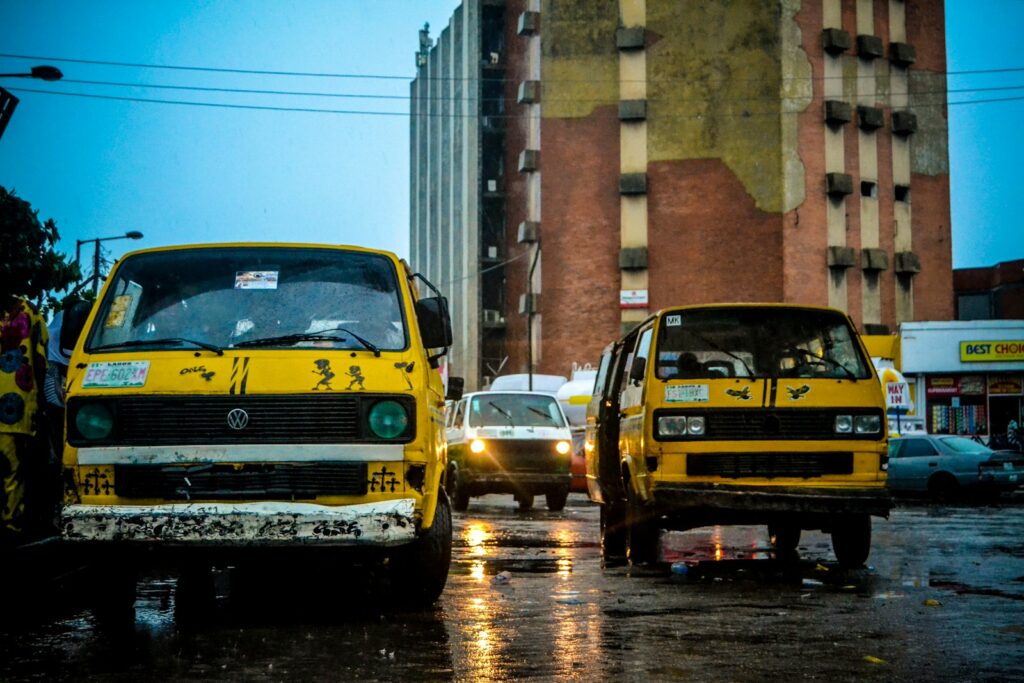
Travelling home for Christmas? These habits matter more than the date
Get your vehicle checked well before the long trip, not the night before, and pay attention to the tyres, brakes, lights and wipers. Travel during the day where you can, because long night journeys add tiredness to poor visibility, and once the dry season settles in, haze can cut visibility even in daylight. These tips on getting ready for harmattan season cover what the dust does to roads and flights as well as your skin.
Put the phone away while driving, don’t overload the car with bags of rice and tubers of yam for the village, and never drive after drinking at a send-off or wedding reception. If you’re going by bus, a registered transport company is a safer bet than the cheapest unregistered option at the park, and you shouldn’t feel shy about asking a driver to slow down. Save the FRSC toll-free number, 122, in your phone so you can report a crash or reckless driving quickly, and check the Federal Road Safety Corps website for travel advisories before you set out.
Prices, parties and pressure all rise together
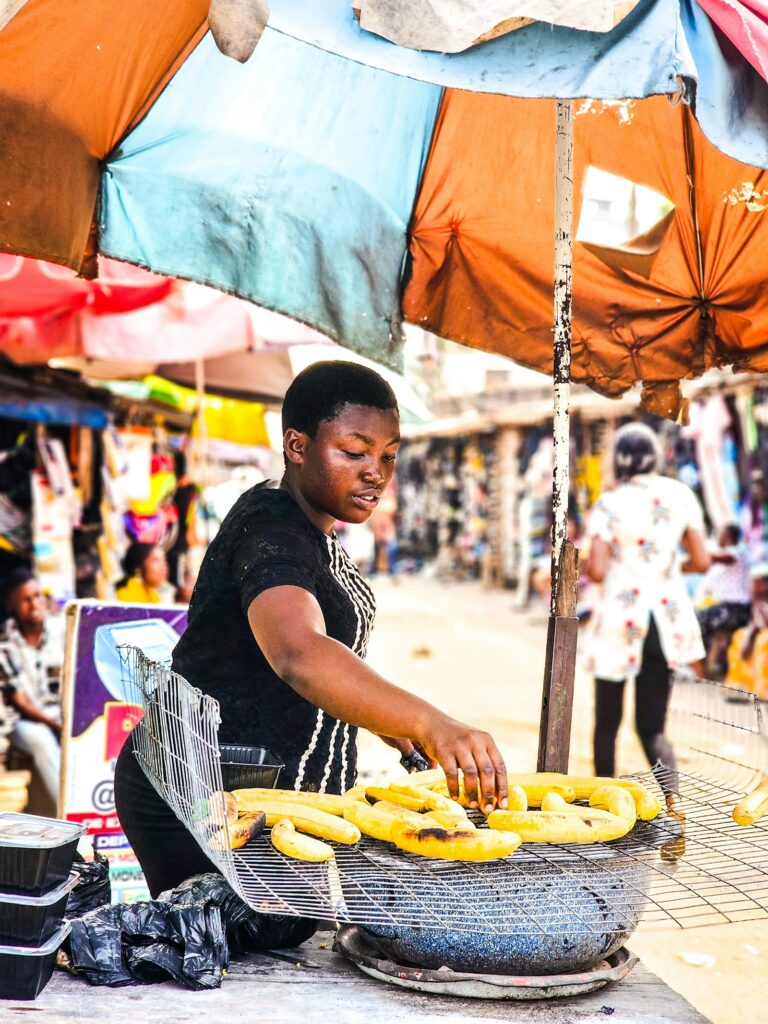
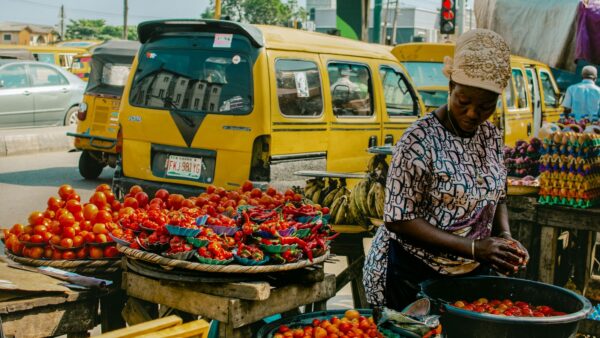
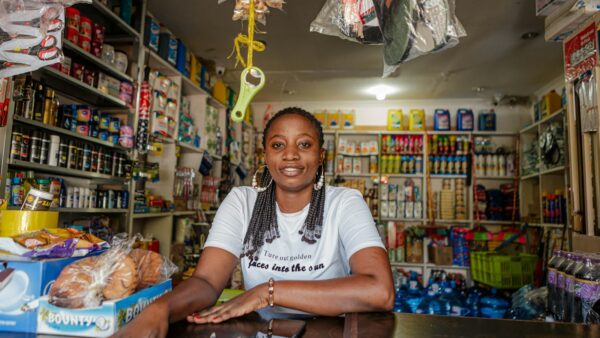
These months are also when demand peaks for almost everything. Traders stock up for Christmas, transport fares tend to climb as more people head home, and tailors, caterers and event halls get booked weeks in advance. If you’re planning a celebration or a trip, buying and booking early usually costs less than waiting until mid-December, when everybody else is rushing to do the same thing.
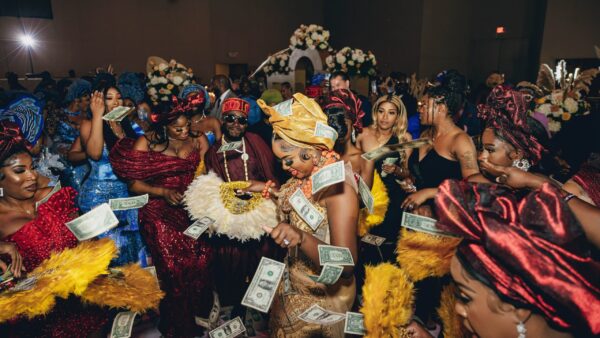
Weddings cluster in this period too, and with them come price lists for fabric, gele and gifts. Writing down every invitation you have between now and January, and deciding early which ones you’ll go all in for, keeps your aso-ebi season spending from swallowing the money you set aside for the trip home.
Scammers know you’re in a hurry to make money before December
End-of-year pressure pushes people into risks they’d normally avoid. Fake job offers, investment schemes promising double returns before Christmas and quick-cash deals all get more attention when bills and family expectations are piling up. Traders should be extra careful with a transfer screenshot that hasn’t shown in their balance during busy festive sales, and everyone should treat urgent requests on WhatsApp with suspicion, especially the WhatsApp verification code scam that has been catching people out.
Enjoy the season for what it is, a time of homecomings, weddings and full pots of jollof, but plan the trips, the budget and the big purchases with a clear head. The calendar doesn’t decide how your year ends, and a bit of care on the road and with your money goes a long way between now and January.


Join the conversation