

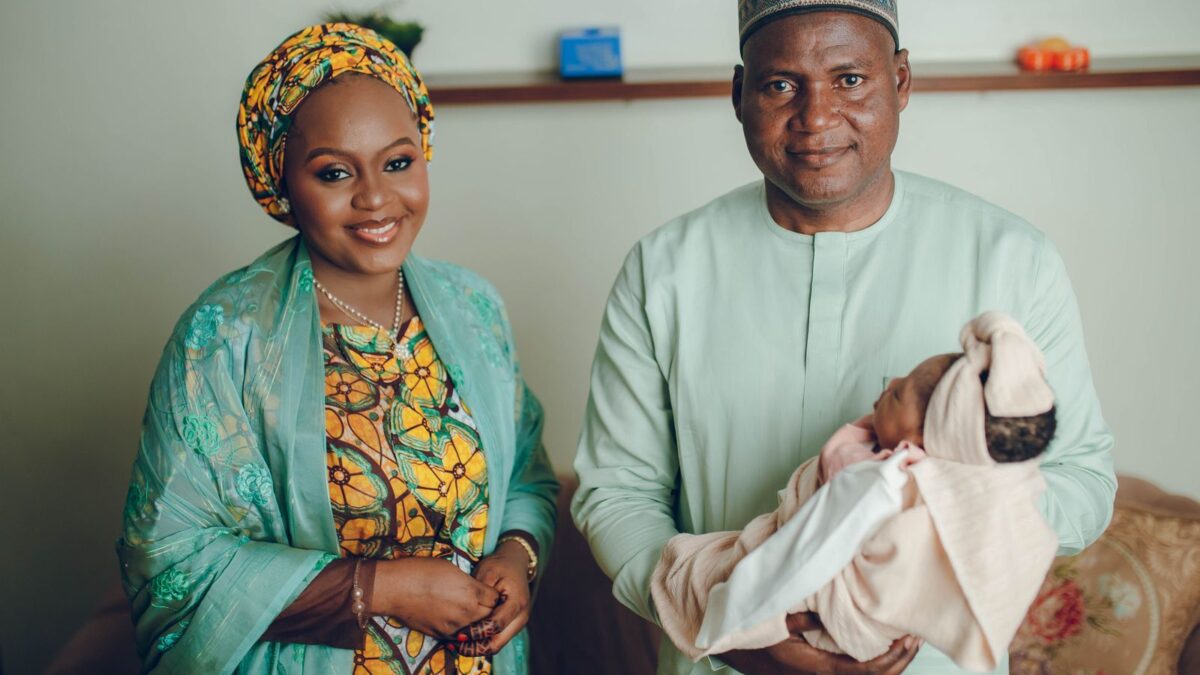
A naming ceremony is how Nigerian families formally welcome a new baby and announce the name the child will carry, and in most traditions it happens within the first two weeks after birth. Yoruba families call it ìsọmọlórúkọ, Hausa families hold ranar suna, and many Igbo communities call it igu nwa aha.
If you’ve only ever attended one as a guest, a lot of what happens can go over your head. The details change from family to family and religion shapes them heavily, so it helps to know what each part traditionally means before you’re the one hosting.
Why the day itself is chosen so carefully
Among the Yoruba, the timing traditionally depended on the baby. Accounts differ slightly, but girls were commonly named on the seventh day and boys on the eighth or ninth, with twins named on the eighth. Under Christian and Muslim influence, Yoruba families now usually hold it on the seventh or eighth day whatever the baby’s sex.
Hausa families name the baby on the seventh day after birth. In Igbo communities the ceremony usually comes between the seventh and twelfth day, which works out to two or three Igbo market weeks, since the traditional week has four market days (Eke, Orie, Afor and Nkwo). The exact day depends on the community, so if you’re invited, go by the date the family gives you.
Honey, salt and bitter kola, and the prayer behind each one
At a Yoruba naming ceremony, an elder or religious leader leads the prayers and introduces the baby, who is often carried by a grandmother or another elder. Symbolic items are then prayed over one by one, and a little of each is touched to the baby’s lips, or the mother tastes it on the baby’s behalf. The list can be longer than six items, and a family may use just one item from a group that carries the same meaning.
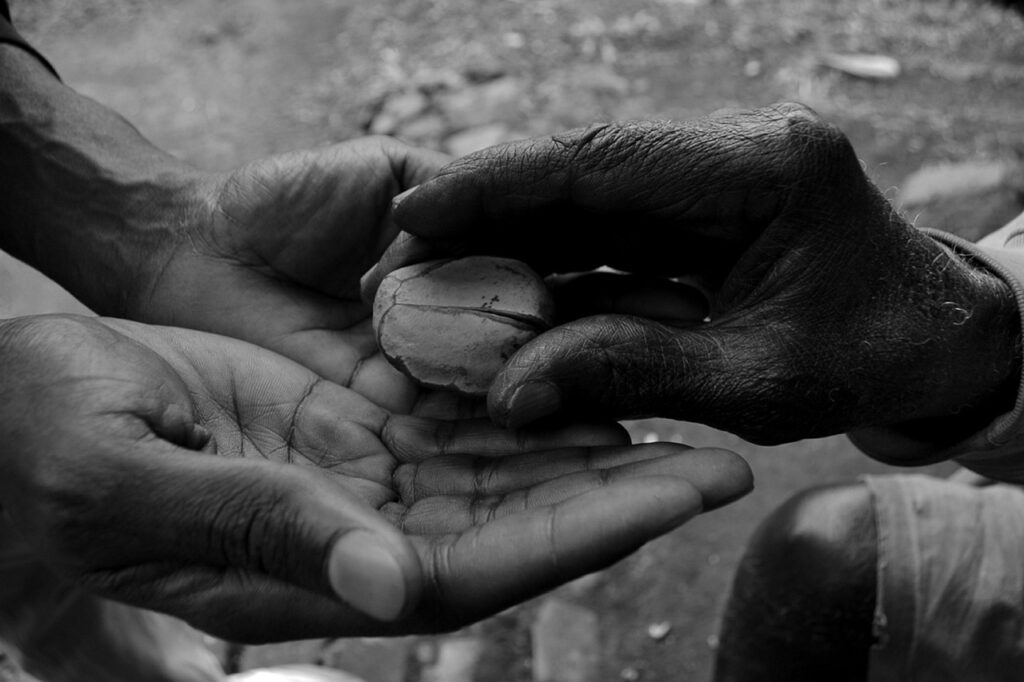
Water (omi) stands for purity and a life free from harm. Honey (oyin) and salt both point to sweetness, a prayer that the child’s life will be pleasant. Palm oil (epo) speaks of smoothness, that the child will pass through life’s challenges with ease, while kola nut (obi) is tied to ancestral blessing, good health and long life. Bitter kola (orogbo) is for long life and endurance, and alligator pepper (atare) is a prayer for fruitfulness and many children. Other items that can appear include sugarcane, oranges, dried fish and, in traditional settings, gin.
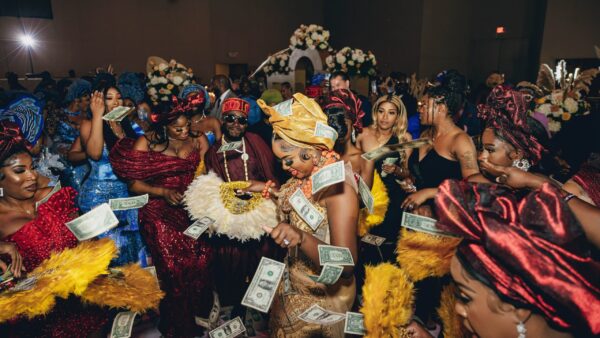
Traditionally there’s also a bowl of cool water, where people present drop money and then give the baby a name. That’s why a Yoruba child can leave the ceremony with more than one name.
One baby, several names, and each one tells a story
Yoruba names fall into a few broad groups. Orúkọ àmútọ̀runwá are names a child is believed to bring from heaven based on how they arrived, such as Táíwò and Kẹ́hìndé for twins, Ìdòwú for the child born after twins, Àjàyí for a baby born face down, Dàda for a child with curly hair and Ìgè for a baby born feet first. Orúkọ àbísọ are names the family chooses to reflect their hopes or circumstances, while oríkì are praise names that celebrate the child and the family line. A boy born after his grandfather has died may be called Babátúndé, meaning father has returned, and a girl in the same situation may become Yétúndé.
If you’re still hunting for the right one, this list of Yoruba names for boys and girls with their meanings is a good place to start, and families from Delta State will find plenty of ideas in these Urhobo names and their meanings.
In the North, a ram and a name whispered first into the baby’s ear
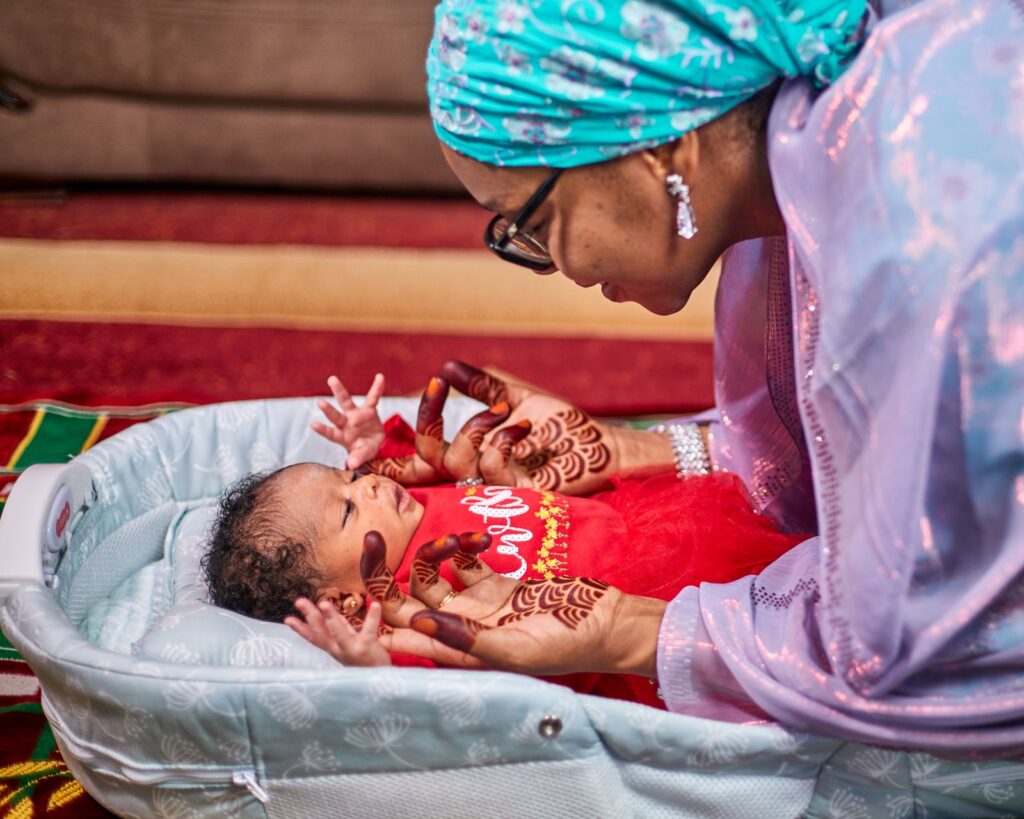
For Muslim Hausa families, the seventh day is when the baby is given their public name. It’s customary to slaughter a ram to mark the day, and the officiating imam whispers the chosen name into the baby’s ear before announcing it to everyone present. The name is often taken from the Qur’an, and names of the Prophet and his relations are popular choices.
In the East, the grandparents lead the way
In Igbo naming ceremonies the paternal grandparents officiate. The grandmother brings the baby out and hands the child to the father, kola nuts are broken with a prayer, wine is poured as a libation, and the father then gives the child a name. Some communities also plant a tree to represent the child’s life and survival, and the ceremony ends with gifts for the baby. In the past, children were often named after the market day they were born on, which is where a name like Nweke, for a child born on Eke day, comes from.
Once the little one grows up and finds a partner, the next big family gathering will be an introduction ceremony, where elders and kola nut play a big part again.
Invited to one? A few courtesies go a long way
Ask the family what time the prayers start so you don’t miss the naming itself, and dress neatly and modestly, especially if elders will be present or the ceremony is in a church or mosque. A cash gift or something useful for the baby is a thoughtful way to show up.
Remember that the mother has only just given birth. Keep your visit short if she looks tired, don’t insist on carrying the baby if the family seems hesitant, and always ask before posting the baby’s face online.


Join the conversation