

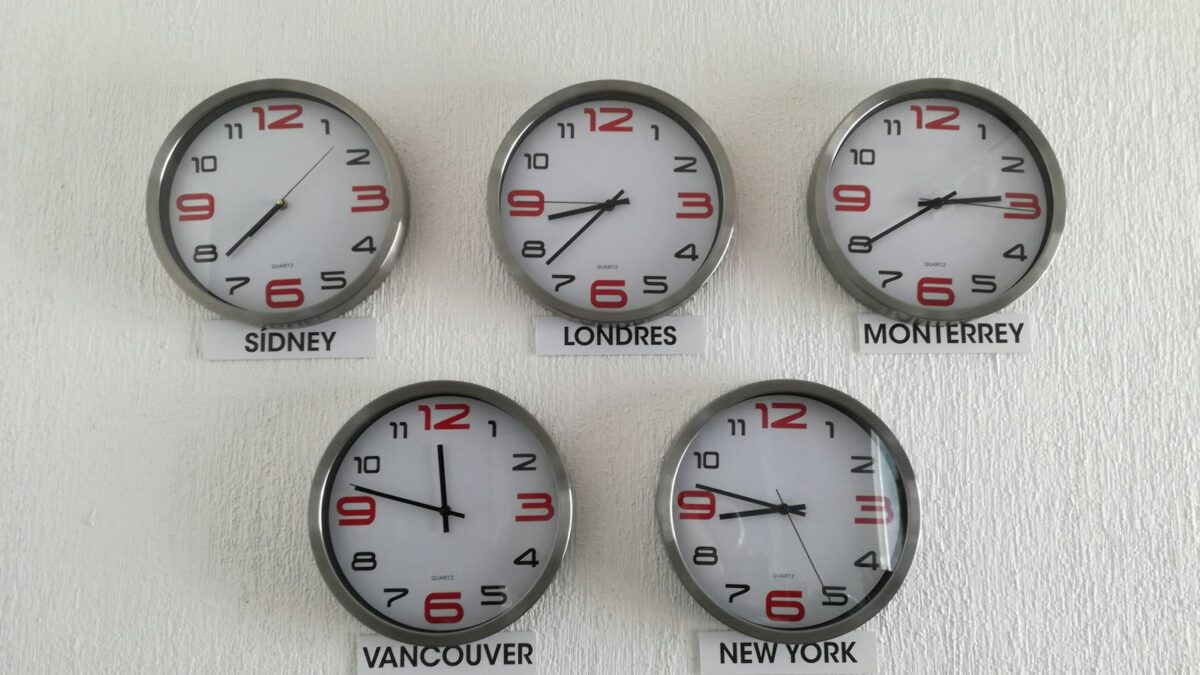
The clocks go back in the UK at 2am on Sunday, 25 October 2026, when British Summer Time ends and the country returns to Greenwich Mean Time. Nigeria’s clocks won’t move at all, so from that morning Lagos will be one hour ahead of London, after months of both cities showing the same time.
Your Saturday football, your WhatsApp calls to family in the UK, your meetings with clients abroad and even the deadlines on an online application can all shift by an hour on your side, and the United States follows with its own change a week later.
Why Nigeria’s time never changes while London’s does
Nigeria runs on West Africa Time, which is one hour ahead of UTC, all year round. The country has never used daylight saving time, so nobody here ever has to move their clock forward in March or back in October.
In the UK, according to the UK government, clocks go forward one hour at 1am on the last Sunday in March and back one hour at 2am on the last Sunday in October. The months in between are British Summer Time, when the UK is an hour ahead of Greenwich Mean Time, and that’s why London and Lagos have been showing the same time since late March.
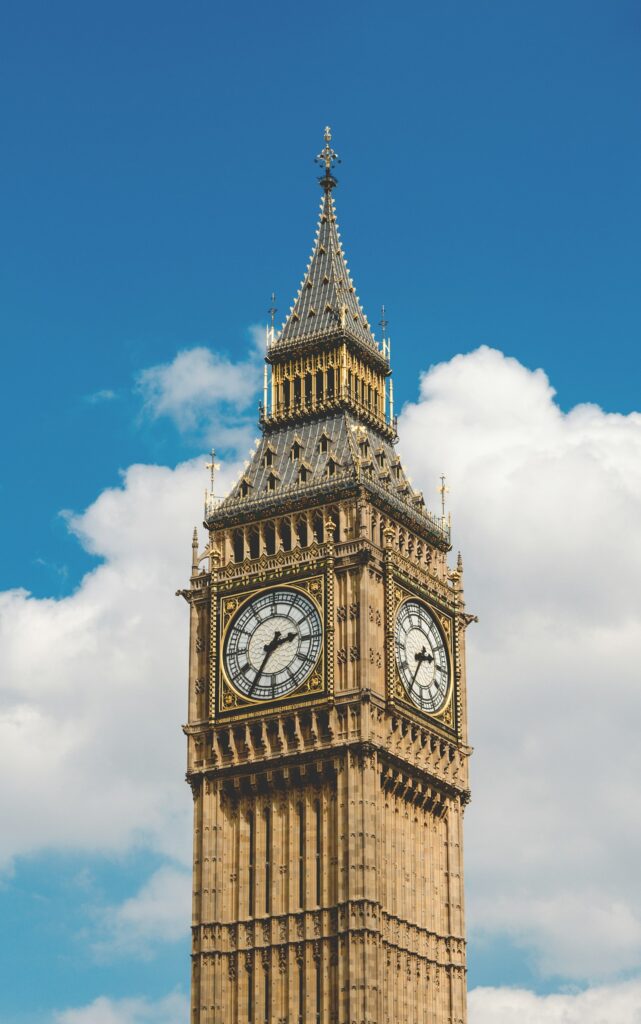
Your 3pm kick-off is about to become a 4pm kick-off
Any Premier League match listed for 3pm UK time on a Saturday from 25 October onwards will start at 4pm in Nigeria, and an 8pm UK kick-off will be 9pm on your side. If you plan your viewing centre visits around UK times, add one hour from that weekend.
Calls shift in exactly the same way, so if your sister in Manchester always rings at 7pm her time, that will now be 8pm in Lagos, Abuja or Port Harcourt. Anyone who works remotely for a company abroad should also check their calendar app, because a 9am stand-up in London will now land at 10am in Nigeria.
Europe changes the same morning, but America waits a week
Across the European Union the switch happens on the same day. The Dutch government explains that EU countries set their summer time rules under one directive, with clocks going back on the last weekend of October, and in the Netherlands that happens at 3am on 25 October 2026.
In the United States, the National Institute of Standards and Technology says daylight saving time ends on the first Sunday in November, which is 1 November 2026 at 2am local time. New York uses US Eastern Time, which moves from UTC minus four hours to UTC minus five, so the gap between Lagos and New York grows from five hours to six. A 9am meeting in New York, which is 2pm in Lagos today, becomes 3pm in Lagos after 1 November.
NIST also lists Hawaii, Arizona (apart from the Navajo Indian Reservation), Puerto Rico, Guam, American Samoa and the US Virgin Islands as places that don’t observe daylight saving time at all, so check the exact city if your relatives or clients are there.
A quick check that saves you from missing that call
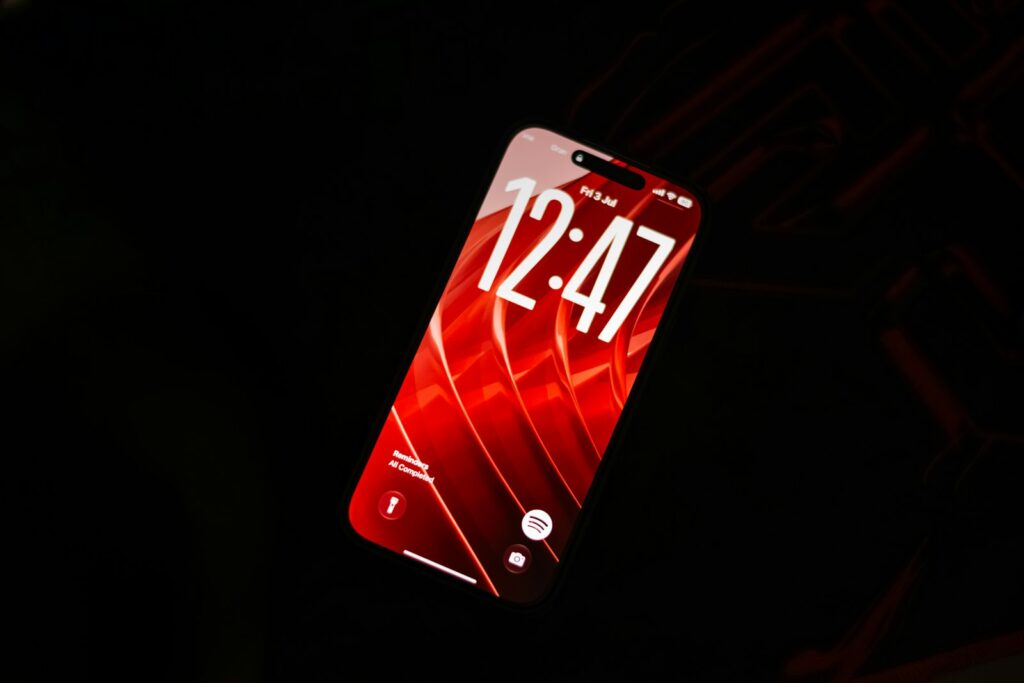
If your phone’s clock app has a world clock, add London, New York or whichever cities you deal with to it. Seeing the real local time side by side is far safer than doing the maths in your head, especially during the week between 25 October and 1 November, when the UK has changed and the US hasn’t.
If an online form, exam portal, webinar or ticket sale run from abroad gives its deadline in its own local time, convert it yourself rather than assuming it matches Nigeria. If you’re travelling soon, read up on the innocent things that can get Nigerians in trouble abroad while you’re adjusting your schedule.
The new gap will hold for the rest of the year and into the next, since the UK government says its clocks won’t go forward again until 28 March 2027, and from then London and Lagos will be back on the same time until the clocks go back again on 31 October 2027.












Join the conversation