

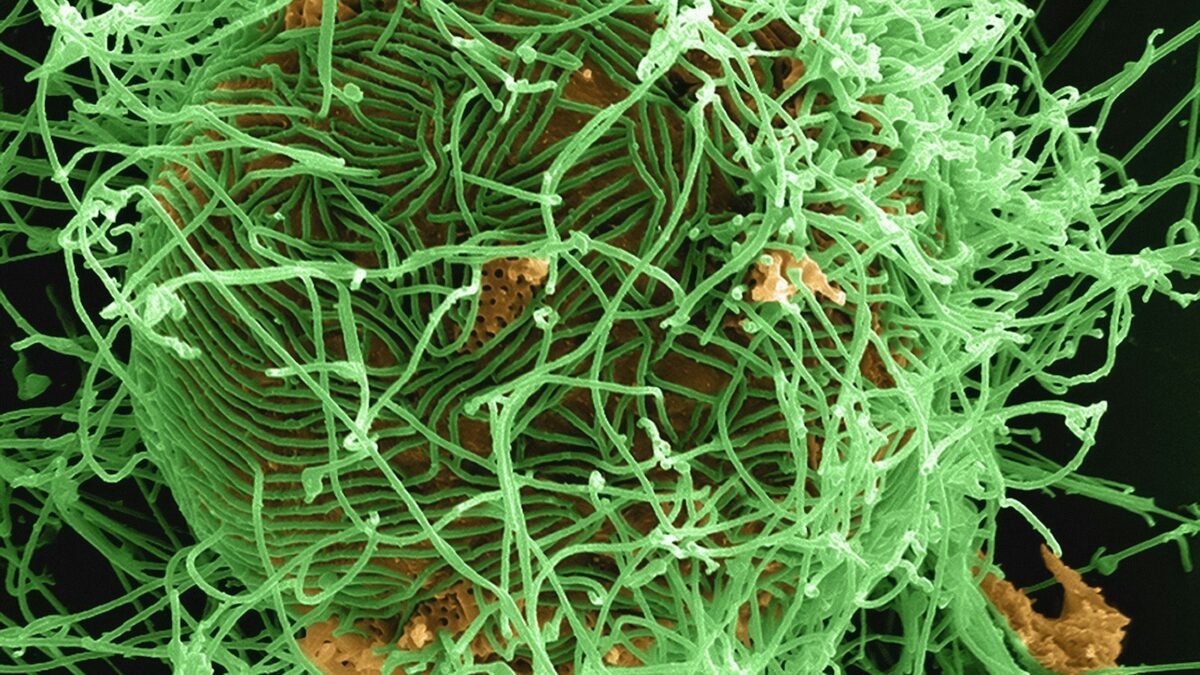
Nigeria confirmed a case of Ebola in Abuja on Tuesday, 20 October 2026, twelve years to the day after the World Health Organization (WHO) declared the country free of the 2014 outbreak. The patient is a woman who arrived in the Federal Capital Territory on an international flight from Uganda, and the Federal Government says she’s in isolation and receiving treatment while public health teams trace the people she was in contact with.
It’s normal to feel worried when you hear that word again, especially if you live in Abuja or travel through it often. What helps most right now is knowing how this virus actually spreads, which signs to take seriously, and the number to call so you aren’t relying on rumours from WhatsApp groups.
How one traveller became Nigeria’s first case in this outbreak
According to officials, the woman travelled from Uganda to Abuja on 3 October, was tested on 19 October after officials learned about her travel, and her positive result was confirmed on 20 October. The government says she had already spent several days in a private hospital in the FCT before she was diagnosed, and most of the contacts identified so far are health workers.
The government’s statement said 44 close contacts had been identified, including healthcare workers, patients, caregivers and people she travelled with. Officials are also tracing passengers from her flight and have asked anyone who may have been exposed to provide their information and follow public health instructions. NCDC’s laboratory team said three molecular tests were done and the strain is Bundibugyo, the same one behind the large outbreak in the Democratic Republic of the Congo (DRC).
Bundibugyo isn’t the Ebola strain the existing vaccines were made for
In its advisory on Bundibugyo Ebola, the Nigeria Centre for Disease Control and Prevention (NCDC) says there are no licensed vaccines or approved targeted treatments for this strain. The Ebola vaccines and antibody treatments that exist were developed against a different species, Zaire ebolavirus, and NCDC says they shouldn’t be relied on here.
That’s why the response depends on finding cases early, isolating them, protecting health workers, tracing contacts and burying the dead safely. WHO’s 8 October outbreak update also says rapid recognition of cases, testing and good supportive care can reduce deaths, so getting help early really does make a difference.
The scale in the DRC shows why Nigerian health authorities are taking this seriously. WHO counted 8,728 confirmed cases and 4,205 confirmed deaths there as of 6 October, and Kenya reported its first confirmed imported case the same day.
Ebola doesn’t float in the air, so learn how it really spreads
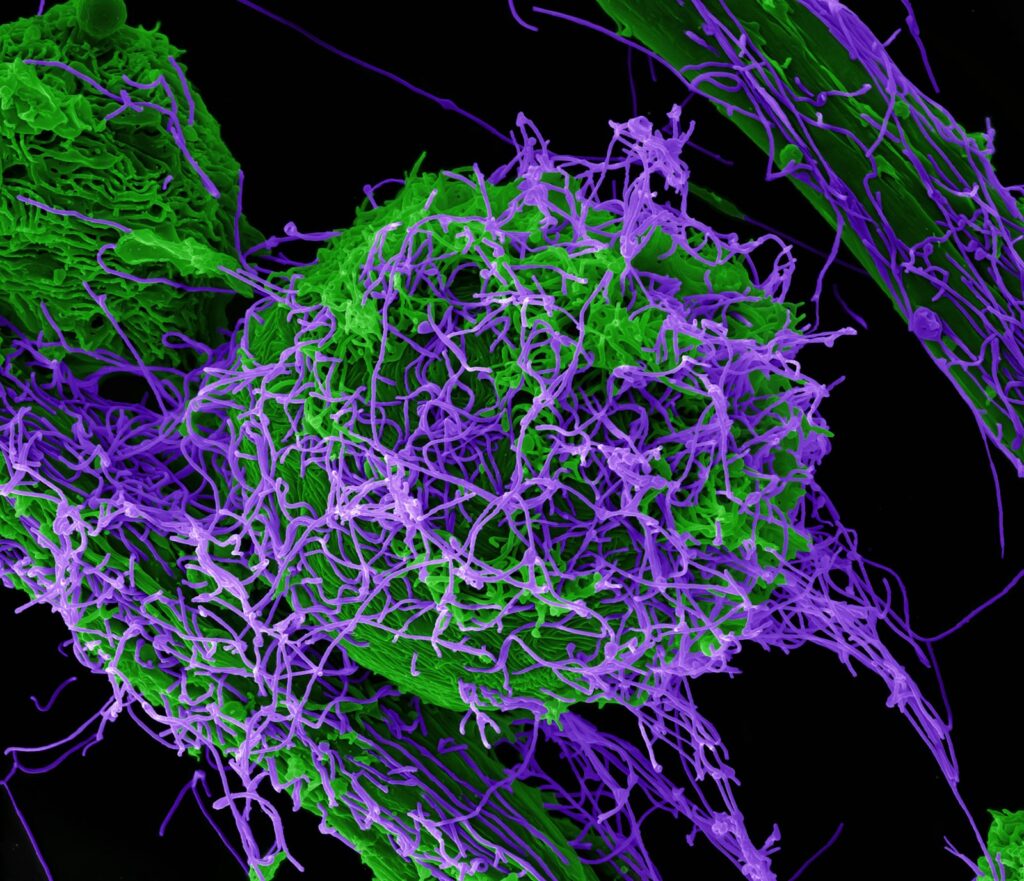
NCDC says Ebola is not airborne. It spreads through direct contact with the blood or other body fluids of someone who is sick with it or has died from it, through materials contaminated with those fluids, and through infected animals. WHO adds that people aren’t infectious until their symptoms begin, and that fruit bats are suspected to be the natural host of the virus.
WHO also notes that the virus spreads more easily in health facilities without proper infection control, and during unsafe burials. Washing, dressing or touching the body of someone who died of a suspected case is risky, so leave that to trained teams if it ever comes up in your family or community.
Fever alone doesn’t mean Ebola, but this mix of signs deserves a call
Symptoms can show up anywhere from 2 to 21 days after exposure. NCDC lists the early signs as fever, tiredness, muscle pain, headache, sore throat and a general feeling of being unwell, which can be followed by vomiting, diarrhoea, stomach pain, rash, hiccups, unexplained bleeding or bruising, and signs of shock.
NCDC itself points out that these signs overlap with malaria, Lassa fever and other common fevers, so a temperature on its own isn’t a reason to panic. A dry throat at this time of year can also come from the dust and dry air, as we explained in our guide to getting your skin and chest ready for harmattan. What should make you act quickly is feeling ill after possible contact with a suspected case, or after recent travel to a country with active Ebola transmission.
Call 6232 before you walk into a hospital

The Federal Government is asking everyone to wash their hands regularly, avoid direct contact with the blood or body fluids of anyone suspected to have Ebola, and report any possible exposure even if they feel fine. If you develop symptoms after a possible exposure, stay away from close contact with other people and call public health authorities before going to a clinic, so that health workers can receive you safely.
NCDC’s free call centre works 24 hours a day on 6232. Its advisory also lists WhatsApp on +234 708 711 0839 and SMS on +234 809 955 5577, and the agency posts updates on its official @NCDCgov social media pages. If you’re arriving from a country with active Ebola transmission, NCDC said in September that you may be asked to fill a Health Declaration Form, so answer it honestly.
WHO advises against restricting travel to or trade with affected countries, and NCDC has asked Nigerians to avoid stigma and rumours and rely on verified information. If you’re moving around a lot during the busy ember months, keep the hotline handy. If you have a health condition or you’re unsure whether something you’ve been exposed to counts, speak to a doctor or call 6232 rather than guessing.
Nigeria has stopped Ebola before
In 2014, Nigeria recorded 19 confirmed cases, one probable case and eight deaths, and that outbreak was brought under control within about three months before WHO declared the country free of Ebola transmission on 20 October that year. Isolation and contact tracing are once again at the centre of the response in Abuja. Keep 6232 saved on your phone, wash your hands often, and share only updates that come from NCDC or the Federal Ministry of Health.




Join the conversation