

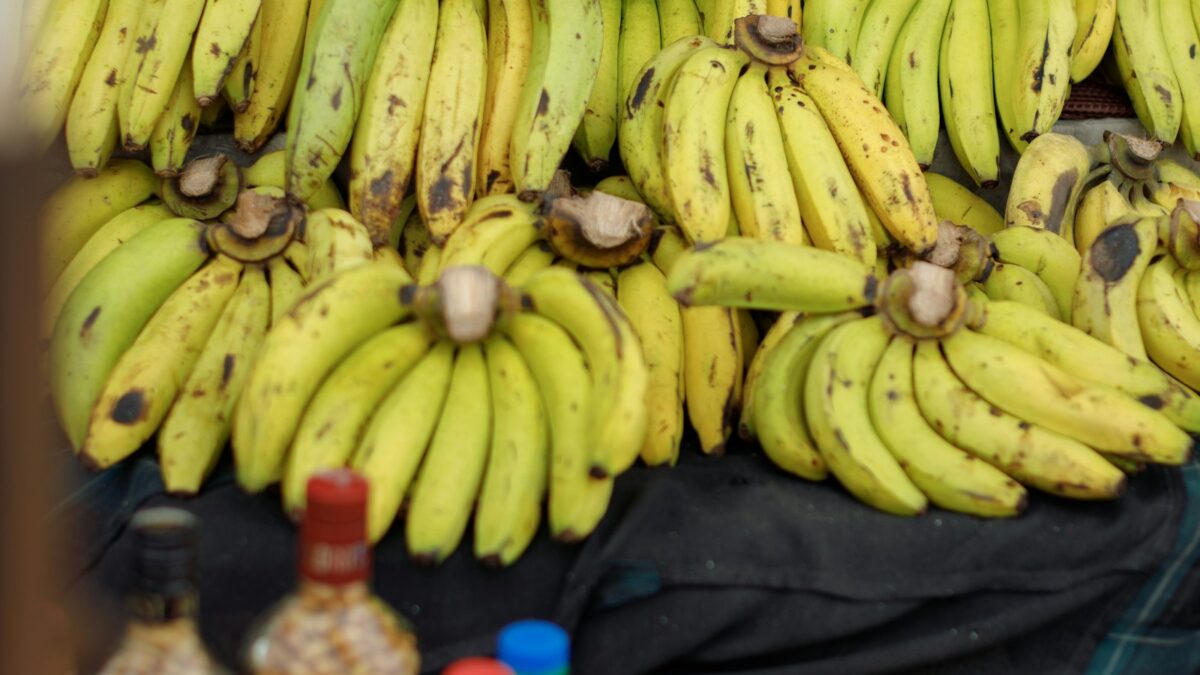
Fruit ripened with calcium carbide can look ripe on the skin while the inside is still unripe, and with bananas and plantains a common giveaway is fruit that’s yellow all over while the stem is still dark. That’s how the National Agency for Food and Drug Administration and Control (NAFDAC) described it when its Director-General, Prof. Moji Adeyeye, spoke at a media workshop on the dangers of ripening fruit with calcium carbide in Abuja on 11 July 2023. The agency repeated the warning in February 2025, when its coordinator in Sokoto State, Abdulsalam Lawal, told vendors to stop the practice and named mango, banana, pawpaw and watermelon among the fruits mostly ripened that way in the state, so the next time a seller tells you the bananas are “ready”, it’s worth a closer look before you pay.
Carbide belongs in a welder’s shop, not in your fruit basket
According to NAFDAC, when calcium carbide is sprayed with water it reacts to produce acetylene, which acts like ethylene and ripens fruit by a similar process. In the Sokoto warning, Lawal said calcium carbide is meant for welding, and that “only welders were permitted to use calcium carbide for tasks such as melting iron.” He added that NAFDAC would increase surveillance to make sure the chemical is used properly and isn’t sold to fruit vendors.
What can ride into your body with carbide-ripened fruit
NAFDAC says calcium carbide generally contains impurities such as arsenic, lead particles and phosphorus, and that eating fruit containing these impurities may cause cancer, heart, kidney and liver failure. The agency also says the acetylene it produces affects the nervous system and reduces oxygen supply to the brain, and that the impurities are hazardous to pregnant women and children.
Because calcium carbide is alkaline, NAFDAC says it erodes the mucosal tissue in the abdominal region. The agency lists sleeping disorders, mouth ulcers, skin rashes and kidney problems among the possible effects of eating artificially ripened fruit, and it says signs of poisoning can include diarrhoea (with or without blood) and a burning or tingling feeling in the stomach and chest. If you or someone in your house feels unwell after eating fruit, don’t try to manage it at home. See a doctor and mention what was eaten.
Look twice at the stem, the spots and the peel

With banana and plantain, be careful when a whole bunch is evenly yellow but the stem is still dark. Naturally ripened fruit usually has brown or black spots, while fruit ripened artificially may carry traces of a powdery substance on the skin and peel off quickly.
If you can cut one open, check the inside too, because the agency says carbide-ripened fruit may be ripe on the skin while the inside remains unripe, and that it tends to lose some of its colour, taste and feel. NAFDAC adds that such fruit doesn’t have a uniform colour, is less juicy than fruit that ripens naturally, and has a shorter shelf life, so a bunch that turns from bright yellow to spoilt in a short time should make you more careful with that seller next time.
None of these signs is a laboratory test, and one dark stem on its own doesn’t prove anything. They’re simply the clues NAFDAC has pointed to, and checking them takes only a few seconds at the stall, much like checking the eyes and gills when you’re buying fresh fish at the market.
NAFDAC has raided fruit markets over this

In her 2023 address, Prof. Adeyeye said NAFDAC’s enforcement had included raids in fruit markets that resulted in seizures and the destruction of violative products, alongside campaigns to educate the public. She also said the agency had commissioned a scientific study on the best way to reduce the health hazards linked to the practice.
She asked Nigerians to stop buying fruit ripened with calcium carbide, and that’s the one part of this that’s fully in your hands. Buy from sellers you trust, ask how the fruit was ripened, and give bananas, plantain or mango a bit more time to ripen at home rather than paying for a bunch that looks perfect on the outside. With market prices still biting, fruit that ripens properly and lasts longer is better value too.













Join the conversation