

Strong bones are essential for movement, balance and everyday activities. However, bone health requires attention at every stage of life. As people grow older, bone density can gradually decline, increasing the risk of fractures and osteoporosis. Regular exercise helps strengthen bones and maintain a healthy skeletal structure. Whether you are in your twenties, forties or seventies, the right activities can support your bones and improve overall strength. In Nigeria, where many people spend long hours sitting at work, driving or carrying out daily activities, making time for physical exercise is particularly important.
One important thing to understand is that bone development responds to the pressure placed on specific parts of the body. For example, exercises that strengthen your legs do not automatically improve bone density in your spine, shoulders or wrists.
Walking is beneficial, especially when you walk regularly or include hills and other challenging routes. However, walking alone may not provide enough stimulation for the upper body. This is why a balanced exercise routine should involve different movements that challenge several parts of the body.
Another important principle is progressive overload. This means gradually increasing the challenge your body faces during exercise. Bones respond to physical stress by breaking down and rebuilding. However, they may become accustomed to repeated activities when the challenge remains unchanged.
You can keep your exercise routine effective by gradually increasing resistance, trying different movements or adjusting the intensity. For instance, you could begin with lighter weights before progressing to heavier ones as your strength improves. The aim is to challenge your body safely without rushing into difficult exercises.
A good bone-strengthening routine should combine weight-bearing activities with exercises that build muscle strength. You do not need an expensive gym membership to begin. Some movements can be performed at home, while others require basic equipment or access to a suitable exercise facility. However, exercises involving jumping and hanging require proper technique and a safe environment. People with existing osteoporosis, previous fractures, joint problems or balance difficulties should seek medical advice before attempting high-impact movements. Here are six exercises that can help support stronger bones.
1. Box Jump-Downs|
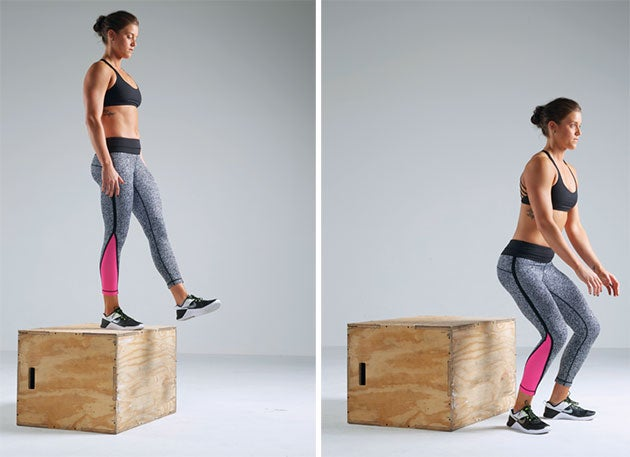
Box jump-downs challenge the lower body by placing controlled impact on the legs. They involve using a sturdy, stable platform designed for exercise. Begin by standing on the platform, then step or jump down carefully, depending on your fitness level and ability. Land with your knees slightly bent to help absorb the impact. Avoid using unstable chairs, tables or household objects as platforms. The recommended routine is five sets of three repetitions. However, beginners should focus on safe landing technique before attempting the full routine. If jumping causes discomfort, choose a lower-impact alternative and seek guidance from a qualified fitness professional.
2. Farmer’s Carry
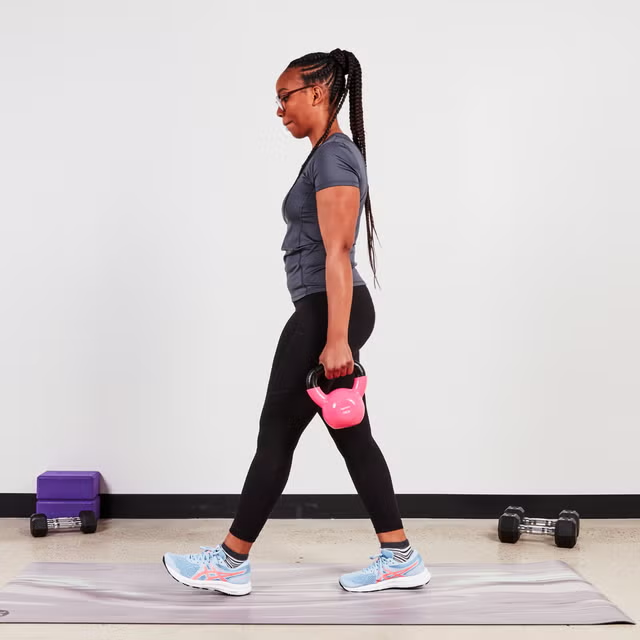
The farmer’s carry is a simple exercise that strengthens the grip, shoulders, arms, core and legs. It involves holding a weight in each hand and walking while maintaining an upright posture. You can use suitable dumbbells or other secure exercise weights. Start with manageable loads that allow you to walk without leaning to either side. Keep your shoulders steady, look forward and take controlled steps. The recommended duration is one minute. This exercise is useful because it challenges the upper and lower body simultaneously. It can also help improve grip strength, which supports everyday activities such as carrying shopping bags and lifting household items.
3. Assisted Eccentric Pull-Up
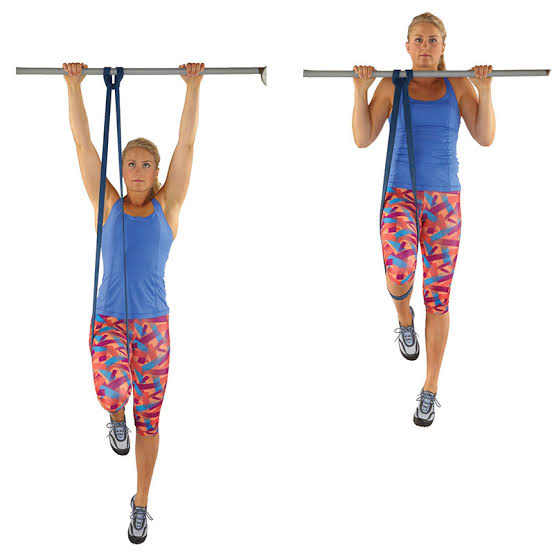
Pull-ups engage the muscles of the back, shoulders and arms. The eccentric version focuses on the lowering phase of the movement. To perform it, use a stable platform or suitable assistance to reach the top position of a pull-up. Then lower your body slowly towards the starting position. Avoid dropping suddenly or swinging excessively. Beginners may need assistance from resistance bands or a qualified trainer. The recommended routine is three sets of five repetitions. This exercise places a challenge on the upper body, helping balance routines that focus mainly on the legs. If you cannot perform it comfortably, build your upper-body strength with simpler pulling exercises first.
4. Broad Jump
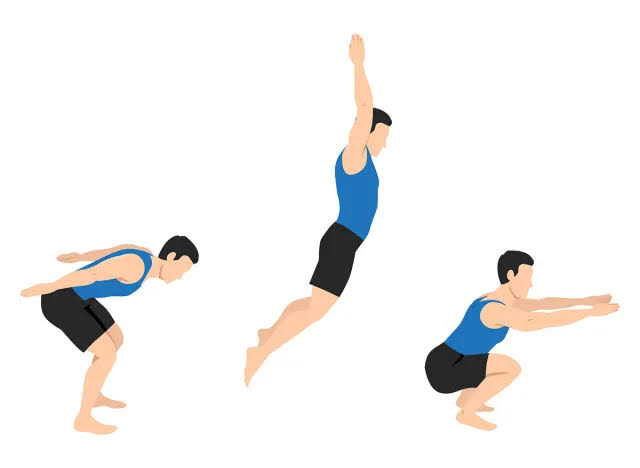
Broad jumps are explosive movements that challenge the legs and hips. They involve jumping forward from a standing position and landing with both feet. Stand with your feet comfortably apart, bend your knees slightly and swing your arms to help generate momentum. Jump forward, then land softly with your knees bent. Maintain your balance before attempting another repetition. The recommended routine is five sets of three jumps. Because this exercise involves impact, it may not be suitable for everyone. Older adults, beginners and people with joint problems should avoid forcing the movement. A fitness professional can recommend a safer alternative based on individual ability.
5. Dead Hang
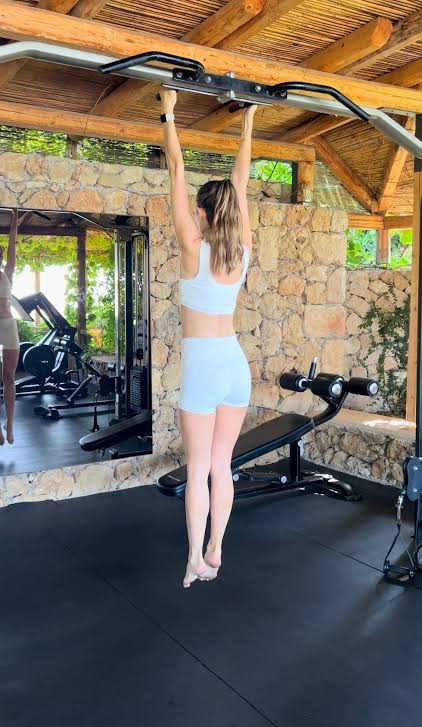
A dead hang involves holding onto a secure overhead bar while allowing your body to hang. It challenges grip strength and engages the shoulders and upper-body muscles. Use a bar designed to support your body weight. Hold it with both hands, keeping your grip firm and your body relaxed without swinging. Your feet should be clear of the ground if you can safely support your full weight. The recommended routine is three sets, holding each position for as long as comfortably possible. Do not force the movement if you experience shoulder pain or discomfort. Beginners can use assistance or keep their feet supported while developing grip strength.
6. Plyometric Push-Up
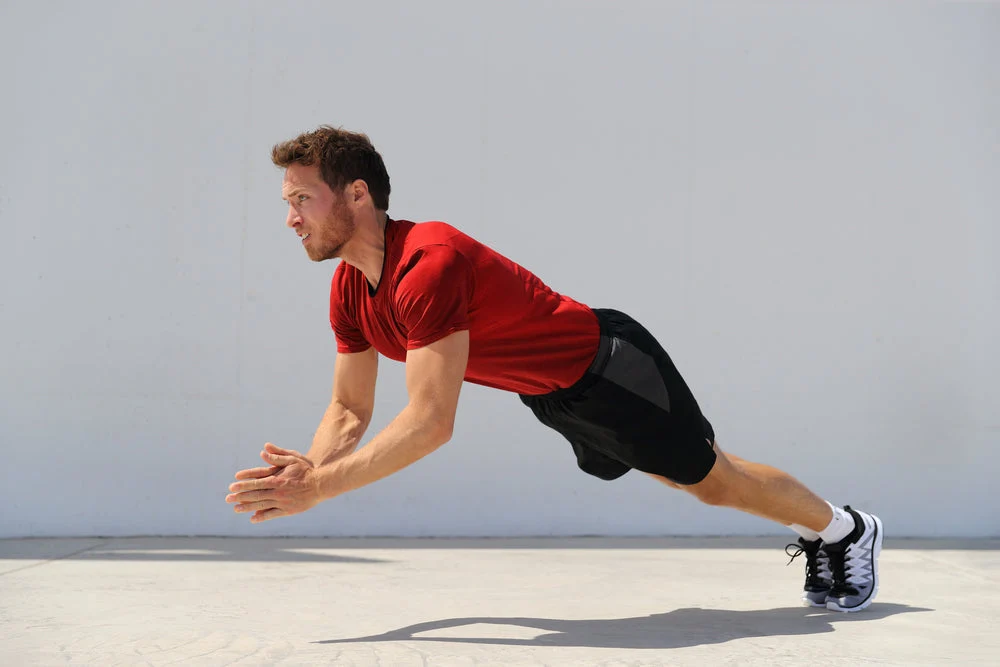
A plyometric push-up is a more challenging variation of the traditional push-up. It involves pushing your body away from the floor with enough force for your hands to briefly leave the ground. This movement challenges the chest, shoulders, arms and core. Begin in a standard push-up position, with your hands beneath your shoulders and your body aligned. Lower your chest towards the floor, then push upwards powerfully. Land with your hands controlled and your elbows slightly bent. The recommended routine is three sets of five repetitions. However, this exercise requires considerable upper-body strength. If you are a beginner, start with regular push-ups or wall push-ups before progressing.
You can perform these exercises as part of a weekly strength-training programme. The original routine recommends completing all sets of one exercise before moving to the next. It also suggests doing the routine once weekly, alongside another full-body strength workout and at least 150 minutes of moderate-intensity, higher-impact cardiovascular activity each week.
However, this is not a universal prescription for everyone. Your age, fitness level, health conditions and exercise experience should determine your starting point. Allow your body enough recovery time, maintain proper technique and increase the difficulty gradually. You should also avoid treating pain as a normal part of exercise.
Building stronger bones requires consistency rather than occasional intense workouts. Walking, strength training and suitable weight-bearing activities can all contribute to better bone health. You should also maintain a balanced diet containing calcium and vitamin D, which support healthy bones.
Foods such as milk, yoghurt, fish and calcium-rich vegetables can contribute to your nutritional needs. Exercise remains important whether you are 18 or 80, but the safest routine is one that matches your abilities. Start with manageable movements, progress gradually and make physical activity part of your regular lifestyle.













Join the conversation