

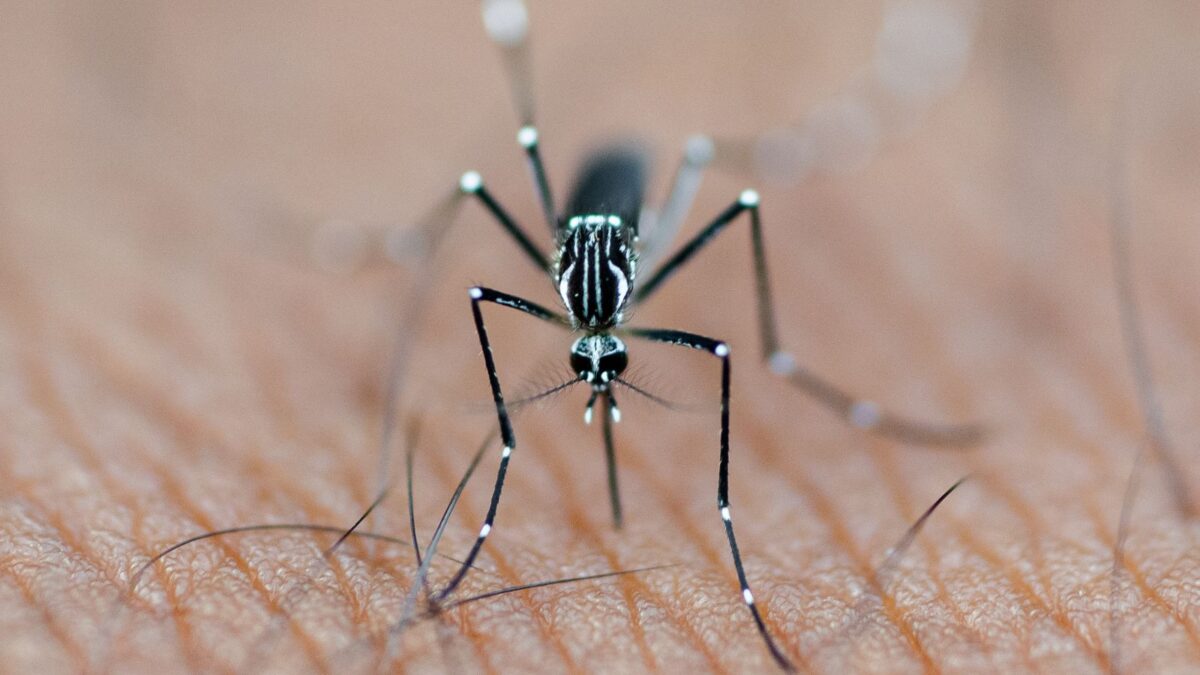
Nigeria accounted for 31.9% of all malaria deaths in the World Health Organization’s African Region in 2024, according to the WHO malaria fact sheet. That’s more than the Democratic Republic of the Congo (11.7%) and Niger (6.1%) combined, and it’s why WHO’s most basic piece of advice is worth taking seriously the next time fever and headache show up in your house, which is to test for malaria before you start any treatment.
Africa carries 95% of the world’s malaria, and Nigeria carries the biggest share of it
WHO estimates there were about 282 million malaria cases and 610,000 malaria deaths worldwide in 2024, across 80 countries. Both numbers went up from 2023, when deaths stood at 598,000. The African Region alone recorded about 265 million cases and 579,000 deaths, roughly 95% of each, and children under five made up about three in every four of the region’s malaria deaths.
The fever can arrive up to two weeks after the bite that caused it
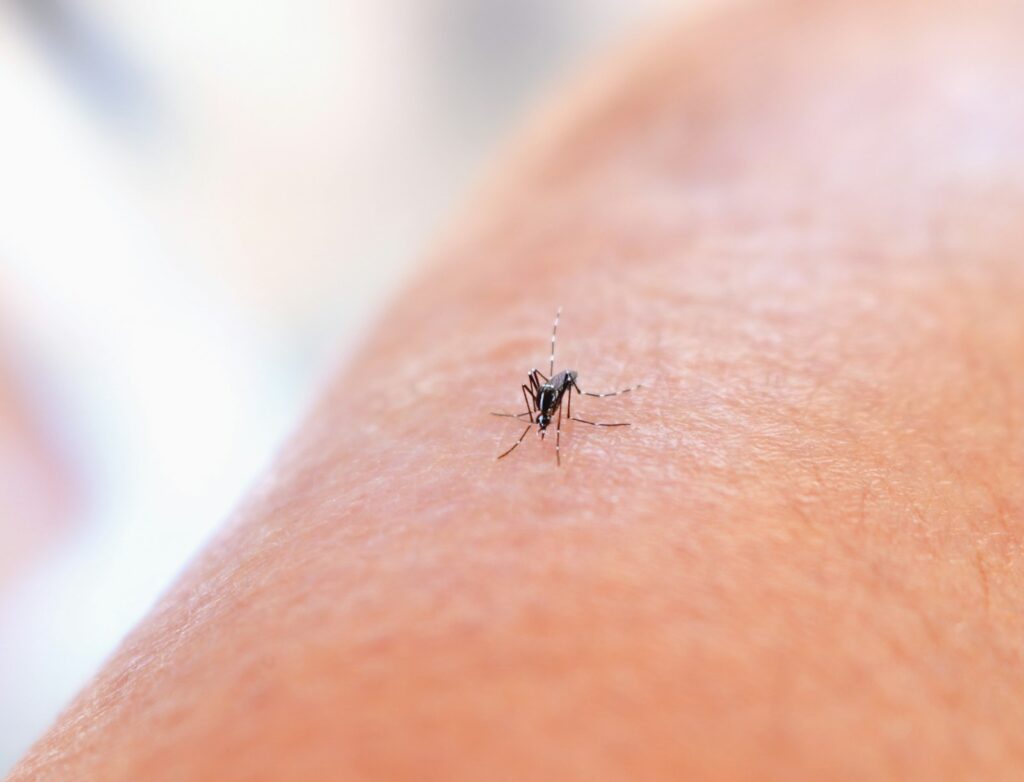
WHO says the most common early symptoms are fever, headache and chills, and that they usually appear 10 to 15 days after a bite from an infected mosquito. With a gap that long, you’re unlikely to link the fever to any particular night, so the symptoms themselves are what you should go by.
WHO lists extreme tiredness, impaired consciousness, multiple convulsions, difficulty breathing, dark or bloody urine, jaundice and abnormal bleeding as signs of severe malaria. If you notice any of these in yourself or someone at home, go to a hospital straight away.
Some people face a higher risk of severe illness, and WHO names infants, children under five, pregnant women and girls, travellers, and people living with HIV or AIDS. In pregnancy, WHO says malaria can also lead to premature delivery or low birth weight, so an expectant mother with a fever needs to see a health worker quickly.
Why WHO wants a test result before you swallow any antimalarial
WHO recommends that every suspected case is confirmed with a parasite-based test before treatment, using either microscopy in a laboratory or a rapid diagnostic test (RDT). It also says malaria always needs medicine, and that artemisinin-based combination therapies (ACTs) are the most effective treatment for Plasmodium falciparum malaria. A negative result is useful too, because it tells you and your doctor to look for another cause of the fever.
According to WHO, the choice of drug depends on the type of parasite, drug resistance, the patient’s weight or age, and whether they’re pregnant, so speak to a doctor or pharmacist before giving any antimalarial to a child or taking one during pregnancy. WHO adds that partial resistance to artemisinin has been confirmed in Eritrea, Rwanda, Uganda and Tanzania and is suspected in Ethiopia, Namibia, Sudan and Zambia, which is one more reason the medicine you take should come with proper advice.
If you’ve been following the news about Ebola in Abuja, the same habit applies here, and a fever deserves a proper check instead of a guess.
A net is only doing its job if someone is sleeping under it
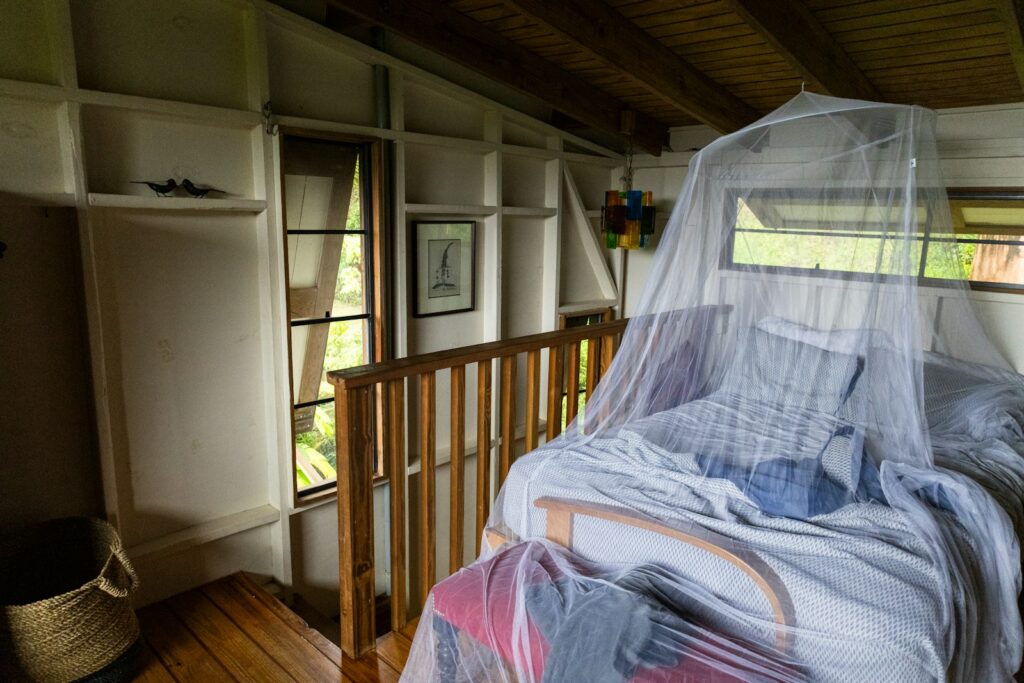
WHO’s advice is to use a mosquito net when sleeping anywhere malaria is present, and it says repellents, coils, protective clothing and window screens also cut down bites. Insecticide-treated nets and indoor residual spraying are the two core tools WHO uses against the mosquitoes themselves, although it warns that insecticide resistance is a threat to progress and says newer-generation nets are becoming more widely available.
If you’re already getting your home ready for harmattan, add a check of your nets and window netting to the list. Patch any holes before you hang them back up, and make sure the children’s beds have one too.
Two malaria vaccines now exist for young children
WHO recommended the first malaria vaccine, RTS,S/AS01, for broad use in October 2021 for young children living in areas with moderate to high P. falciparum transmission. A second vaccine, R21/Matrix-M, was recommended in October 2023, and WHO says both are being rolled out through routine childhood immunisation programmes across Africa. If you have a child under five, ask at your primary health centre or your child’s clinic whether a malaria vaccine is available where you live.
With 282 million cases a year around the world, it’s easy to treat malaria as something routine. WHO’s guidance keeps coming back to the same three things, which are a test before treatment, the right medicine for the right person, and a net that’s actually used every night. If anyone at home has a fever right now, get them tested today and talk to a doctor about what to take.








Join the conversation