

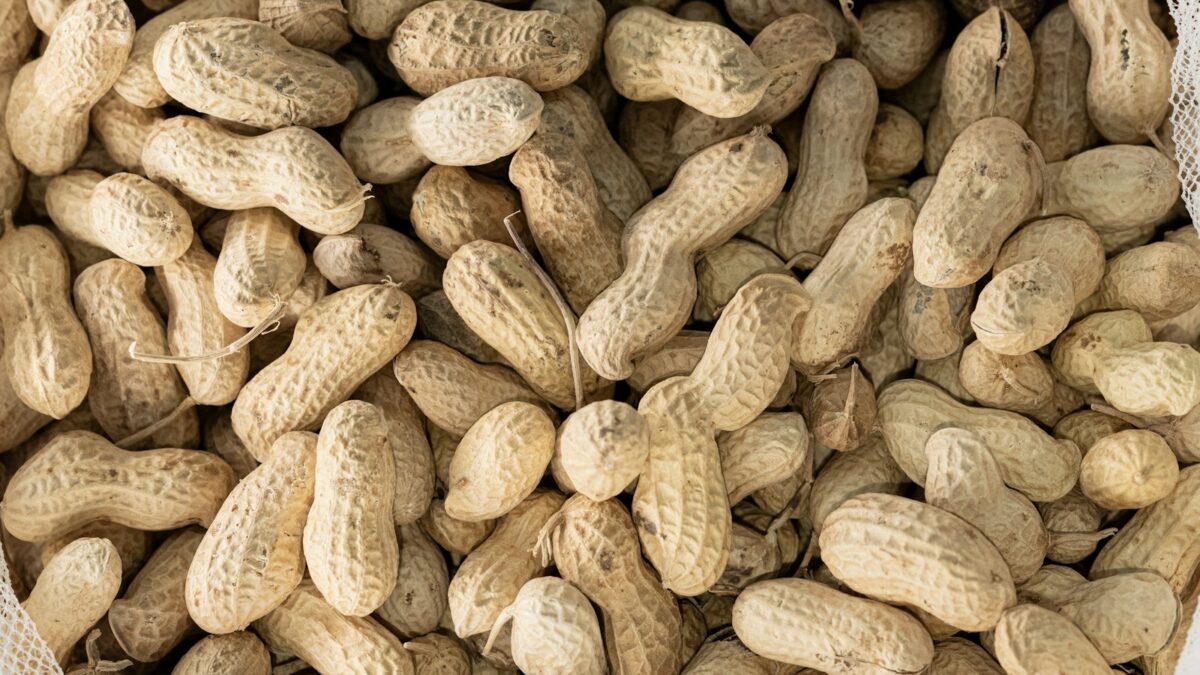
The World Health Organization’s advice on aflatoxin in groundnuts, corn and other grains is something you can follow in your own kitchen today, which is to inspect them for mould and discard any that look mouldy, discoloured or shrivelled. Aflatoxins are poisons made by two moulds, Aspergillus flavus and Aspergillus parasiticus, and the WHO fact sheet on mycotoxins counts them among the most poisonous of the mould toxins found in food. In Nigeria, maize and groundnuts are the crops named as susceptible on the Nigeria page of Aflasafe, the anti-aflatoxin product made under licence from the International Institute of Tropical Agriculture (IITA).
Corn, rice, groundnut and pepper are all on WHO’s list
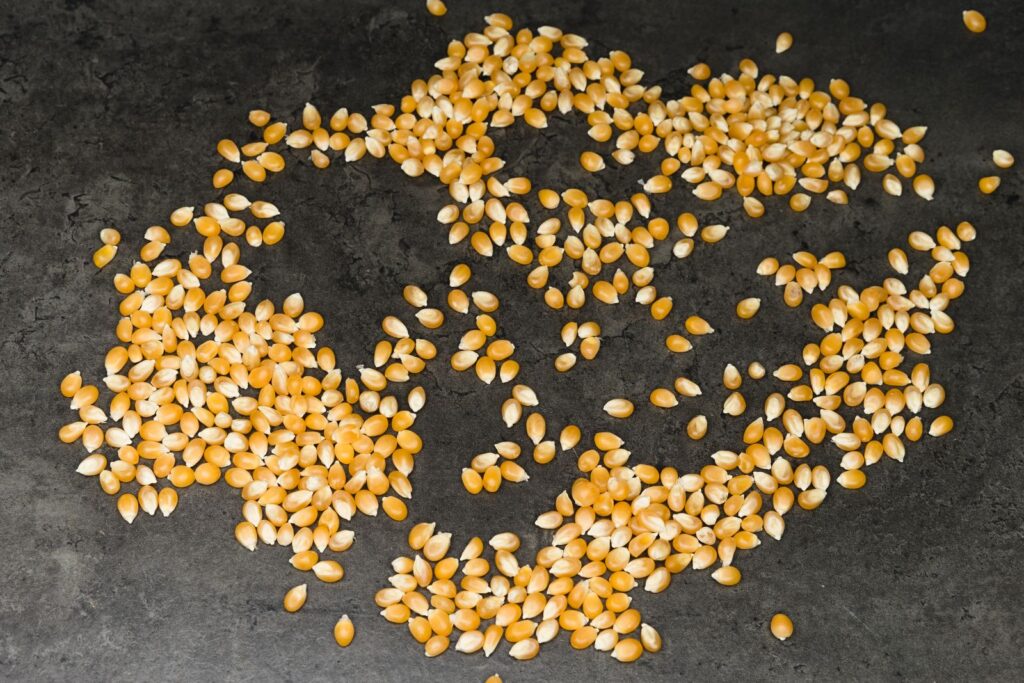
WHO says the moulds behind aflatoxin grow in soil, decaying vegetation, hay and grains, and it lists the crops most often affected. Among cereals it names corn, sorghum, wheat and rice. Among oilseeds it names soybean, peanut (what we call groundnut), sunflower and cotton seed. Spices are on the list too, including chilli pepper, black pepper, coriander, turmeric and ginger, and so are tree nuts such as coconut, almond and walnut. WHO also notes that a form called aflatoxin M1 can turn up in the milk of animals that were fed contaminated feed.
Warm, damp storage is where the mould gets its chance
According to WHO, the mould can grow on crops before harvest or after it, including while food sits in storage, and it does best in warm, damp and humid conditions. It usually doesn’t grow in food that has been properly dried and stored, which is why WHO describes drying and good storage as effective ways to control it. Grain that gets damaged before drying, during drying or in storage is more likely to go mouldy, so cracked and broken kernels deserve a second look.
On the farm side, a policy brief quoted on the Aflasafe Nigeria page describes aflatoxin as “an invisible poison produced by the fungus Aspergillus flavus” and explains that the fungus lives in soil and infects crops in the field. Aflasafe is applied on maize and groundnut farms to reduce that contamination, and the page lists Harvestfield Industries Ltd, with factories in Ogun State, as the manufacturer and distributor appointed by IITA.
Frying or roasting won’t rescue a mouldy batch
WHO says most mycotoxins are chemically stable and survive food processing, so don’t count on frying, roasting or boiling to make mouldy groundnuts or corn safe. If a batch looks bad, the safest choice is to throw the affected part away rather than cook it and hope for the best.
WHO says large doses of aflatoxin can cause acute poisoning, called aflatoxicosis, which can be life threatening, usually through damage to the liver. Aflatoxins have also been shown to damage DNA, and WHO says there is evidence that they can cause liver cancer in humans. If anyone in your house falls ill after eating food you suspect was mouldy, take them to a hospital and tell the doctor what they ate.
What to look for at the market and how to store what you take home
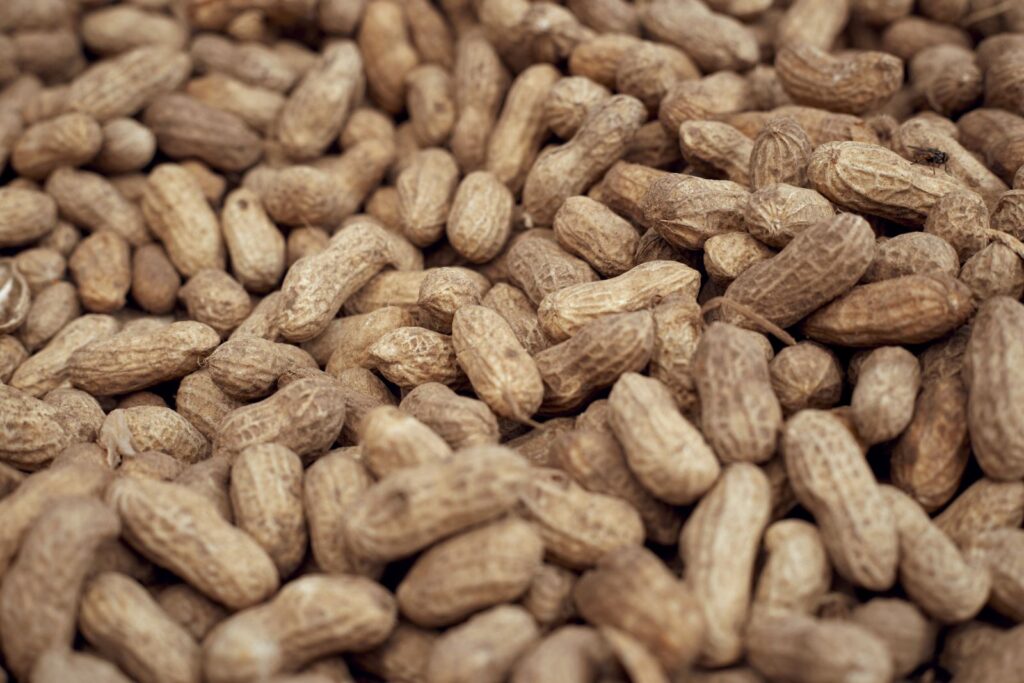
WHO advises you to inspect whole grains, especially corn, sorghum, wheat and rice, along with dried figs and nuts, and discard any that look mouldy, discoloured or shrivelled. Buy grains and nuts as fresh as you can, and try not to keep food for long periods before you use it.
At home, WHO says food should be stored free of insects, dry and not too warm. One simple way to manage that is keeping your groundnuts, corn, rice and dried pepper in clean, closed containers away from damp walls, steamy cooking areas and direct heat, and picking through them before you cook. WHO also recommends a varied diet, because a diverse diet reduces exposure to mycotoxins and improves nutrition at the same time.
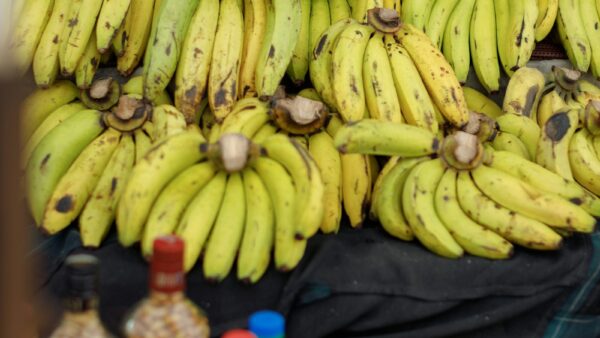
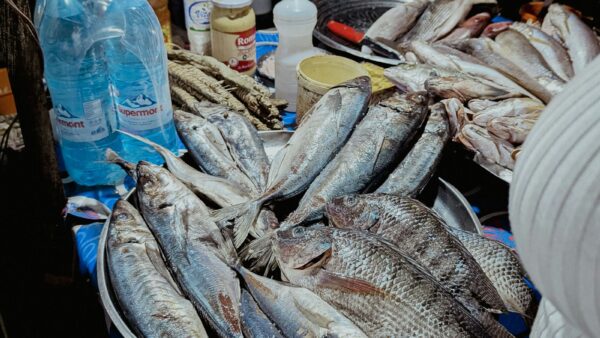
Looking closely at food before you pay is the same habit that helps you spot fruit ripened with carbide and tell when fish is fresh. With groundnuts and grains, the rule is simple enough to remember at any market stall, and the shrivelled, discoloured or mouldy ones go in the bin, not in the pot.









Join the conversation