

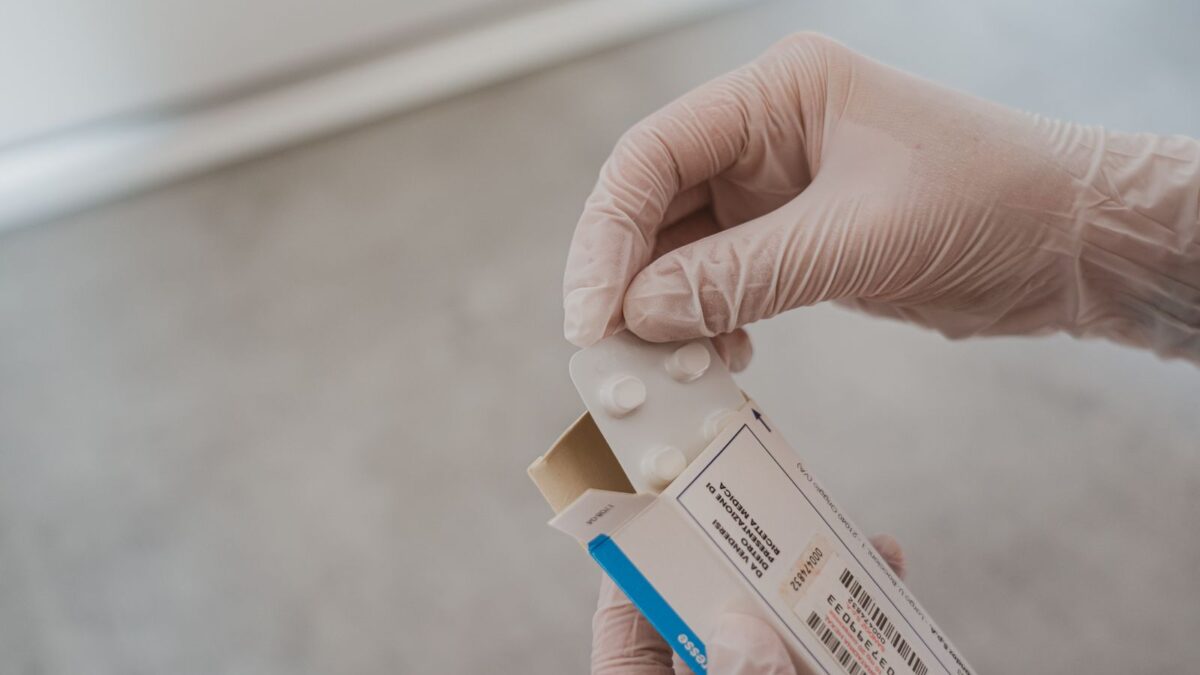
NAFDAC’s Mobile Authentication Service (MAS) lets you check certain medicines with one free text message, and it has covered anti-malarial and antibiotic medicines since January 2012. According to the agency’s Mobile Authentication Service page, you scratch a panel on the product to reveal a unique PIN, send it toll-free to a short code from any GSM network, and get a text back saying whether the product is genuine or a suspected fake. If you’ve just had a malaria test and you’re about to start treatment, that text is worth sending before the first dose.
Scratch the panel, send the PIN and read the reply
NAFDAC says MAS was piloted first and then rolled out in January 2012 to anti-malarial and antibiotic medicines imported into or manufactured in Nigeria. The PIN under the scratch panel is unique and meant for one-time use, and the text you send costs you nothing on any of the GSM networks. Do the check with the pack in front of you, ideally at the pharmacy counter before you pay, so a suspected fake never makes it home.
NAFDAC says the reply tells you the product is either “genuine or suspected fake”, so you know where you stand before you swallow anything or give it to someone at home.
Five companies run MAS, and each has its own short code
NAFDAC lists five MAS service providers on its website, and the PIN goes to the short code of the provider used for that product.
| Service provider | Short code |
|---|---|
| PharmaSecure | 38351 |
| Sproxil | 38353 |
| Savanté | 38120 |
| UBQ-t/Kezzler | 20966 |
| M-Pedigree | 1393 |
No scratch panel on the pack? Look it up in the NAFDAC Greenbook
MAS was rolled out for antimalarials and antibiotics, so for other products the NAFDAC Greenbook is the place to check. NAFDAC calls it “Nigeria’s Registered Product Database”, and you can search it by product name, active ingredient, NAFDAC registration number or applicant name. Its categories include drugs, vaccines and biologics, medical devices, veterinary products, herbals and nutraceuticals, and disinfectants, and the results show details such as the strength, the applicant, the approval date and the product’s status.
NAFDAC’s Greenbook download page also links to a phone app on the Apple App Store and Google Play, which the agency says offers a list of all NAFDAC-approved drugs, including their names, strength and manufacturing companies, for healthcare professionals, patients and the general public.
What to do when the reply says suspected fake

The MAS page itself doesn’t set out the next step, but NAFDAC’s public alerts do. In Public Alert No. 01/2026, released on 8 January 2026 about falsified Tavanic 500mg tablets, the agency advised members of the public to “inspect medicines carefully before use”, to report suspected falsified products to the nearest NAFDAC office, and to buy medicines “only from licensed pharmacies and authorised distributors.”
NAFDAC also links nafdac.medsafety.io for reporting substandard and falsified medicines, and its complaints line is 0800-1-NAFDAC (0800-1-623322). For general enquiries the number is 0700-1-NAFDAC (0700-1-623322). Side effects can be reported to [email protected] or through the Med-Safety app, which the agency says is on the Android and iOS app stores. Don’t take a medicine that comes back as a suspected fake, and speak to a pharmacist or doctor about getting a replacement.
It takes one text, and the pack is already in your hand
NAFDAC has warned about food as well as medicines, including fruit ripened with calcium carbide, and in both cases the quick check is the part that sits with you. If there’s a pack of antimalarials or antibiotics in your house right now, look for the scratch panel and text the PIN to the right short code before the next dose.







Join the conversation